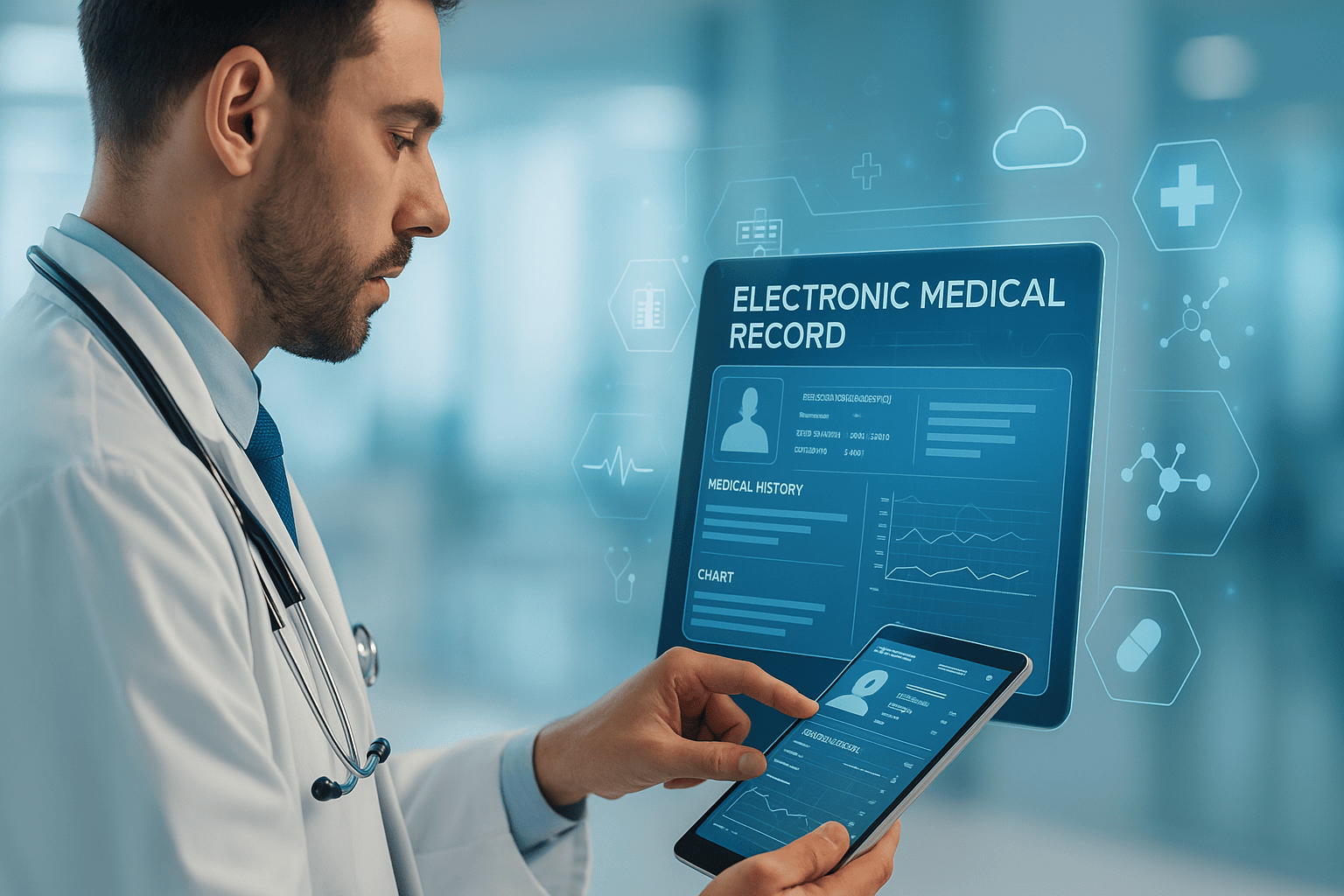
In the rapidly evolving landscape of healthcare, the integration of technology is no longer an option but a necessity. The implementation of a medical electronic record system stands as a testament to this shift, offering a transformative approach to managing patient information. These systems are designed to streamline the entire healthcare process, from patient intake to post-treatment follow-ups, ensuring efficiency, accuracy, and improved patient outcomes.
Understanding Medical Electronic Record Systems
Medical electronic record systems, often referred to as EMRs, are digital versions of paper charts in clinician offices, hospitals, and other healthcare centers. They contain comprehensive patient data, including:
- Personal demographics
- Medical history
- Diagnoses
- Treatment plans
- Immunization dates
- Allergies
- Laboratory test results
These records facilitate a more holistic view of patient care, allowing for better coordination between healthcare providers and more personalized treatment plans.
Benefits to Healthcare Providers
The adoption of a medical electronic record system provides numerous advantages for healthcare providers. Key benefits include:
Enhanced Efficiency
By digitizing patient records, healthcare providers can significantly reduce the time spent on administrative tasks. This allows more time to be focused on patient care and reduces the likelihood of errors caused by manual data entry.
Improved Quality of Care
With instant access to comprehensive patient information, healthcare professionals can make informed decisions more quickly. This leads to quicker diagnoses and more effective treatment plans tailored to individual patient needs.
Seamless Communication
EMRs enable seamless communication between different departments and even different healthcare facilities. This ensures that all relevant parties have access to the necessary information, facilitating better coordination and continuity of care.
Patient Advantages
Patients also stand to gain significantly from the implementation of electronic medical records. Some of the advantages include:
- Increased Engagement: Patients can access their own medical records online, which promotes active participation in their healthcare decisions.
- Improved Safety: With accurate and up-to-date information, the risk of medical errors is reduced significantly.
- Convenience: Online access to health records means that patients can easily share their details with specialists or other healthcare providers if needed.
Challenges and Considerations
While the benefits of EMRs are substantial, there are challenges that healthcare providers must consider:
Data Privacy and Security
Ensuring the privacy and security of patient data is paramount. Healthcare institutions must implement robust security measures to protect sensitive information from unauthorized access or breaches.
System Interoperability
For EMRs to be truly effective, they must be compatible with other systems used within healthcare facilities. Interoperability remains a critical challenge, requiring ongoing efforts to standardize data formats and communication protocols.
Cost and Training
The initial cost of implementing an EMR system can be high, and staff training is essential to ensure effective use. Healthcare facilities must weigh these costs against the long-term benefits of improved efficiency and patient care.
The Future of Medical Electronic Record Systems
The future of EMRs is bright, with ongoing advancements in technology promising even greater efficiencies and capabilities. The integration of artificial intelligence and machine learning could further enhance decision-making processes, while improvements in data analytics could provide deeper insights into patient care trends.
As the healthcare industry continues to embrace digital transformation, the role of medical electronic record systems will only become more pivotal in delivering high-quality, efficient, and patient-centered care.