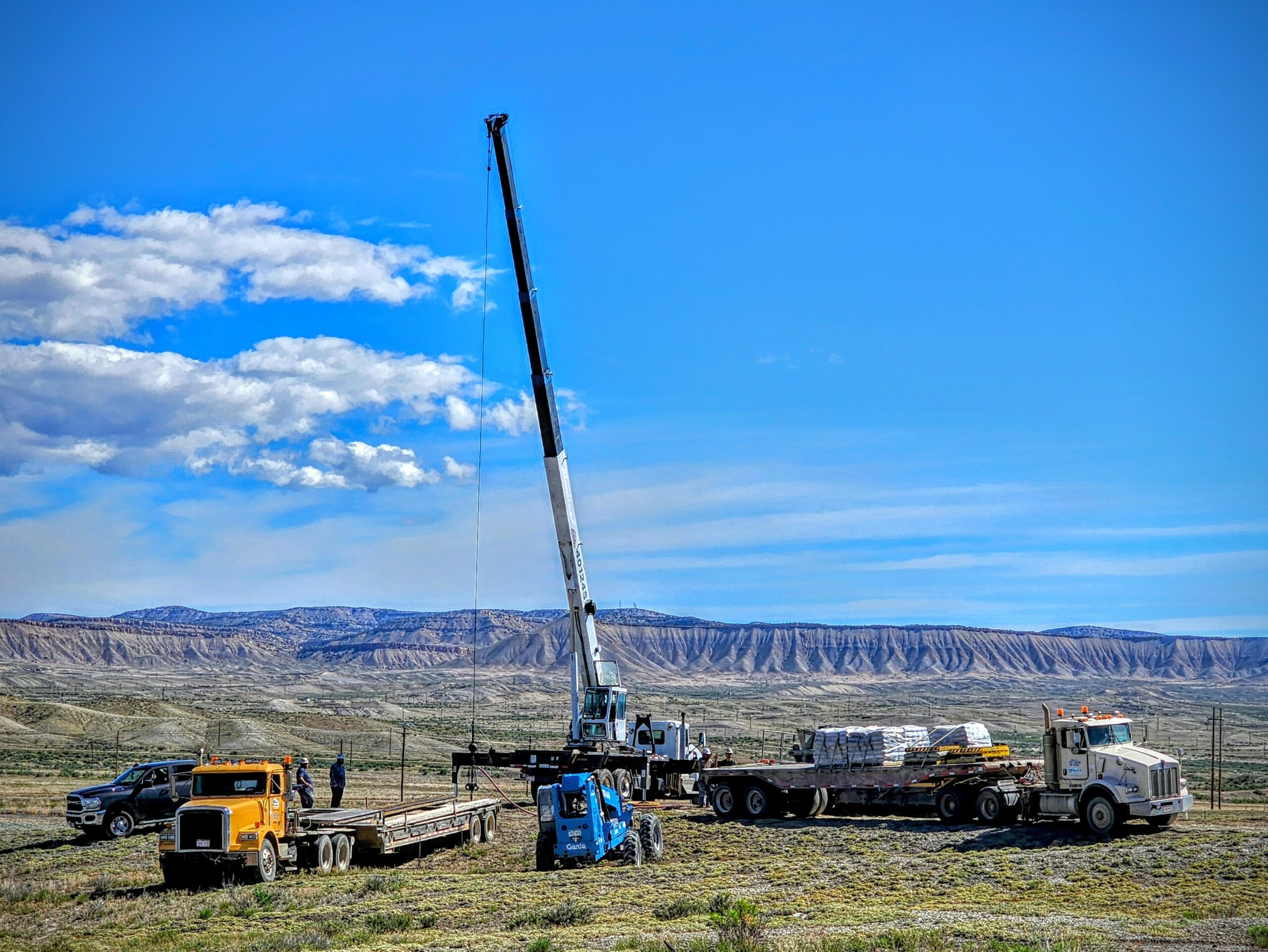
The construction industry is a cornerstone of economic development and societal advancement. It is essential for creating the infrastructure that underpins daily life, from residential buildings and commercial complexes to roads, bridges, and public utilities. Despite its critical role, the complexity of construction projects often demands a range of specialized services to ensure quality, safety, and efficiency. This article explores the importance of construction industry services, the value they add to projects, and the key areas where they make a significant impact.
Ensuring Quality and Safety
Quality and safety are paramount in construction projects. Specialized services in this sector are designed to uphold these principles by integrating advanced techniques and technologies. Some key benefits include:
- Adherence to stringent safety regulations and standards.
- Implementation of quality control measures to ensure project durability and longevity.
- Utilization of advanced tools and equipment to minimize risks and hazards.
By prioritizing these elements, construction services help in mitigating risks, thus safeguarding the workforce and end-users. Find additional information here to understand the nuances of safety in the construction industry.
Project Management and Efficiency
Coordinating Complex Operations
The complexity of construction projects necessitates expert project management services. These services facilitate the seamless coordination of various operations, ensuring that projects are completed on time and within budget. Key aspects include:
- Effective scheduling and resource allocation.
- Streamlined communication between stakeholders.
- Efficient handling of logistics and supply chain management.
Such services are indispensable in overcoming the challenges associated with large-scale construction projects. Explore further insights here to delve into effective project management strategies.
Environmental Considerations
In today?s world, environmental sustainability is a critical consideration in construction. Specialized services play a vital role in ensuring environmentally friendly practices are upheld. This includes:
- Incorporating sustainable materials and construction methods.
- Implementing waste reduction and recycling initiatives.
- Conducting environmental impact assessments and remediation.
By integrating these practices, the construction industry can minimize its environmental footprint while contributing to sustainable development. Learn more in this detailed guide about the intersection of construction and environmental sustainability.
Adapting to Technological Advancements
Technology is rapidly transforming the construction industry. Modern construction services are leveraging technological advancements to enhance productivity, accuracy, and innovation. Key technological integrations include:
- Utilization of Building Information Modeling (BIM) for precise planning and visualization.
- Deployment of drones and autonomous machinery for surveying and on-site operations.
- Integration of smart technology for real-time monitoring and management.
These technological solutions not only improve efficiency but also open new avenues for innovation in construction projects. Read more about this topic to discover how technology is reshaping construction services.
The Future of Construction Services
The construction industry is poised for significant growth and transformation in the coming years. As the demand for infrastructure continues to rise, the importance of specialized construction services will become even more pronounced. Emerging trends such as digital construction, modular building, and sustainable practices will redefine the landscape of construction services.
These changes will necessitate a more dynamic and adaptable approach to service delivery, ensuring that the industry remains at the forefront of innovation and sustainability. Learn more in this comprehensive overview about the future directions of construction services.
In conclusion, the construction industry relies heavily on a diverse array of specialized services to maintain the highest standards of quality, safety, and efficiency. As the industry evolves, these services will continue to play a critical role in shaping the infrastructures of tomorrow.