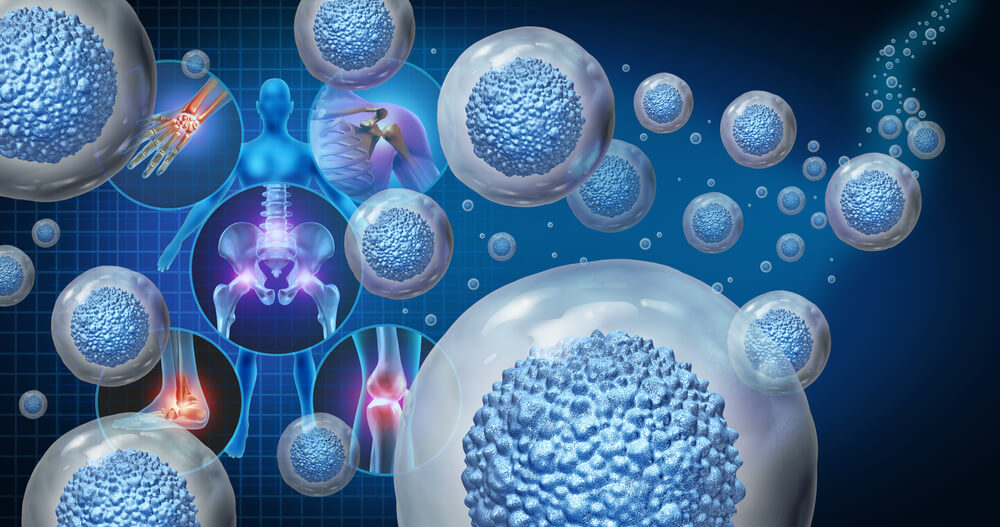
In recent years, medical research has increasingly focused on the transformative potential of stem cells in healthcare. Among the various types of stem cells, cord stem cells have emerged as a particularly promising resource. Derived from the umbilical cord blood and tissue, these cells offer a range of therapeutic applications and benefits. Their unique characteristics make them a valuable tool in regenerative medicine, offering new hope for treating various diseases and conditions.
Understanding Cord Stem Cells
Cord stem cells are obtained from the umbilical cord immediately after childbirth. This non-invasive collection process ensures that the cells are preserved for future medical use. These cells are known for their remarkable ability to differentiate into various cell types, which makes them highly versatile in clinical applications. For more detailed information on cord stem cells, including their banking process and potential uses, visit relevant resources.
Types of Cord Stem Cells
- Hematopoietic Stem Cells (HSCs): These are primarily responsible for forming blood and immune cells. HSCs have been used in the treatment of various blood disorders, including leukemia and anemia.
- Mesenchymal Stem Cells (MSCs): These cells can differentiate into bone, cartilage, and fat cells. MSCs are being explored for their potential in treating conditions such as osteoarthritis and heart disease.
Applications in Regenerative Medicine
The scope of cord stem cells in regenerative medicine is vast. Their ability to regenerate damaged tissues and organs opens up possibilities for treating a myriad of health conditions.
Potential Treatments
- Neurological Disorders: Research is underway to explore the use of cord stem cells in treating conditions such as cerebral palsy, autism, and spinal cord injuries.
- Cardiovascular Diseases: These stem cells are being studied for their potential to repair heart tissue and improve heart function in patients with heart disease.
- Diabetes: The potential of cord stem cells to regenerate insulin-producing cells is a promising avenue for diabetes treatment.
The Advantages of Cord Stem Cells
There are several notable advantages that make cord stem cells a key focus in healthcare research:
- Non-Invasive Collection: The collection process is simple and painless, posing no risk to the mother or baby.
- High Potency: Cord stem cells are more potent than adult stem cells, making them more effective in treatment.
- Low Risk of Rejection: They are less likely to be rejected by the recipient’s immune system, making them ideal for transplantation.
Challenges and Ethical Considerations
Despite their potential, the use of cord stem cells in healthcare raises several challenges and ethical considerations. These include:
- Regulatory Hurdles: The approval process for new therapies can be lengthy and complex.
- Ethical Concerns: The use of stem cells, in general, is subject to ethical debates, although cord stem cells are less controversial.
- Cost of Banking: The expense involved in storing and maintaining stem cell banks can be prohibitive for some families.
Future Directions
The future of cord stem cells in healthcare is promising, with ongoing research aimed at expanding their applications. Innovations in biotechnology and molecular biology are expected to enhance the efficacy and safety of stem cell treatments, potentially making them more accessible and affordable.
In conclusion, cord stem cells hold immense potential to revolutionize healthcare by offering new solutions for treating diseases and repairing damaged tissues. As research progresses, these cells may become a cornerstone of personalized medicine, providing tailored treatments that cater to individual patient needs.