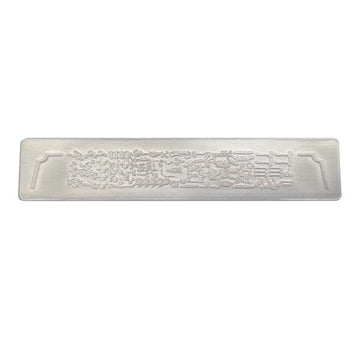
In the realm of holistic sciences, BioGeometry emerges as an intriguing intersection of ancient wisdom and modern science. Developed by Dr. Ibrahim Karim, this innovative science explores the subtle energy qualities of geometric shapes and their ability to harmonize biological systems. BioGeometry is not just a set of theoretical principles but a practical methodology that has captured the interest of researchers, practitioners, and enthusiasts worldwide. By understanding the core concepts and applications of BioGeometry, one can gain insight into its potential to enhance well-being through the use of specific shapes and designs.
The Foundation of BioGeometry
BioGeometry is the science of using the subtle energy qualities of geometric shapes to produce balancing effects on biological systems. This discipline, developed by Dr. Ibrahim Karim, draws upon the ancient understanding of shapes and their energetic impacts, blending it with modern scientific principles to create a new paradigm of environmental harmony.
- BioGeometry focuses on the energy quality of shapes rather than their physical dimensions.
- It seeks to harmonize environments by integrating specific geometric forms that resonate with natural energy fields.
- The science is grounded in the principle that everything in the universe vibrates with a unique frequency that can be influenced by shapes.
Principles Behind BioGeometry
The core principles of BioGeometry stem from the understanding that geometric shapes can influence energy patterns in the environment. The Harmonic Shapes used in BioGeometry are designed to neutralize negative energies and enhance positive ones. This is achieved through the specific arrangement and orientation of shapes that align with the natural energy fields.
Energy Quality of Shapes
BioGeometry examines how shapes interact with the environment to create specific energy qualities. By understanding the vibrational properties of different shapes, practitioners can modify spaces to promote health and harmony.
Balancing Energy Fields
One of the primary goals of BioGeometry is to balance the energetic fields within a space. This involves using biogeometry symbols strategically to align with the earth’s magnetic field, creating a harmonious living or working environment.
Applications of BioGeometry
BioGeometry has a wide range of applications, from personal well-being to architectural design. The science can be applied through various BioGeometry products designed to harmonize spaces, enhance personal energy, and improve overall well-being.
- BioGeometry can be applied in homes and workplaces to enhance environmental energy quality.
- It is used in architecture to design buildings that promote harmony and well-being.
- Practitioners utilize biogeometry signatures to improve personal health and balance.
The Legacy of Dr. Ibrahim Karim
Dr. Ibrahim Karim’s contribution to the field of BioGeometry is profound, combining his background in architecture and science to create a unique discipline that bridges traditional knowledge with contemporary scientific understanding. His work has laid the foundation for a holistic approach to environmental design and personal well-being.
Dr. Karim”?s vision extends beyond the theoretical; his ibrahim karim biogeometry approach is implemented through various projects worldwide, demonstrating the practical benefits of this science in real-world settings.
Conclusion
The exploration of BioGeometry offers a fascinating glimpse into how shapes and their energy qualities can influence our environment and personal well-being. By integrating the principles of this science, one can create spaces that promote harmony and balance, ultimately enhancing the quality of life. As the understanding of BioGeometry continues to evolve, it holds the promise of providing innovative solutions for sustainable living in harmony with the natural world.