Choosing the right powersports vehicle can be an exhilarating yet challenging task. With a wide range of options available, from ATVs to dirt bikes, it’s essential to understand the features and specifications that match one’s needs and lifestyle. As powersports vehicles continue to rise in popularity, potential buyers should approach the purchasing process with a clear strategy. This article aims to guide enthusiasts and first-time buyers through the process of comparing and buying powersports vehicles, ensuring an informed and satisfying purchase.
Understanding Different Types of Powersports Vehicles
Powersports vehicles encompass a variety of machines designed for recreation and utility purposes. Understanding the different types is the first step in making the right choice.
Common Types of Powersports Vehicles
- All-Terrain Vehicles (ATVs): Ideal for off-road adventures, these vehicles come in different sizes and power levels.
- Motorcycles: Ranging from cruisers to sport bikes, motorcycles offer a thrilling ride on paved roads.
- Personal Watercraft (PWC): Perfect for water enthusiasts, PWCs provide fun and excitement on lakes and oceans.
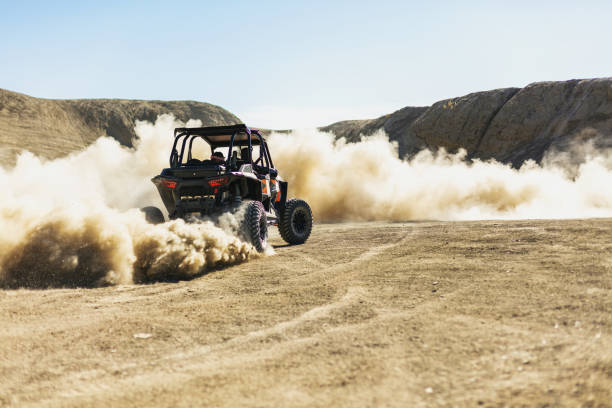
- Utility Task Vehicles (UTVs): Known for their capacity to handle work and play, UTVs are versatile and can carry passengers or cargo.
- Snowmobiles: Designed for winter conditions, these vehicles glide over snow and are ideal for cold climates.
Factors to Consider When Comparing Powersports Vehicles
Before committing to a purchase, several critical factors should be evaluated to ensure the vehicle meets all requirements.
Performance and Specifications
- Engine Capacity: More power often means better performance, but it also requires more skill to handle.
- Suspension: A good suspension system enhances comfort and control, especially on rough terrains.
- Fuel Efficiency: Consider how often and how far the vehicle will be used to determine the importance of fuel economy.
Purpose and Usage
- Recreational Use: Opt for models that offer comfort and features that enhance the riding experience.
- Work-Related Use: UTVs or ATVs with cargo space and durable construction are ideal for work-related tasks.
Cost and Budget
- Initial Purchase Price: Establish a budget that includes any additional costs such as accessories or modifications.
- Maintenance Costs: Factor in the long-term costs of ownership, including maintenance and repairs.
Where to Find Powersports Vehicles
Finding the right place to purchase a powersports vehicle is crucial. One can explore various options to find powersports vehicles for sale that suit their needs.
Dealerships
- Offer a wide range of models and brands.
- Provide the opportunity for test drives and hands-on inspections.
Online Platforms
- Convenient for comparing prices and features from the comfort of home.
- Access to a broader selection of buy powersports vehicles from various sellers.
- Potential for finding rare or discontinued models.
Conclusion
Purchasing a powersports vehicle is an investment in adventure and excitement. By understanding the different types of vehicles, evaluating key factors, and knowing where to shop, buyers can make informed decisions that align with their requirements and preferences. For those ready to embark on this journey, exploring options for powersports vehicles can be an exciting and rewarding experience. Ultimately, the right choice will depend on individual needs, budget, and desired usage, leading to countless hours of enjoyment on or off the road.