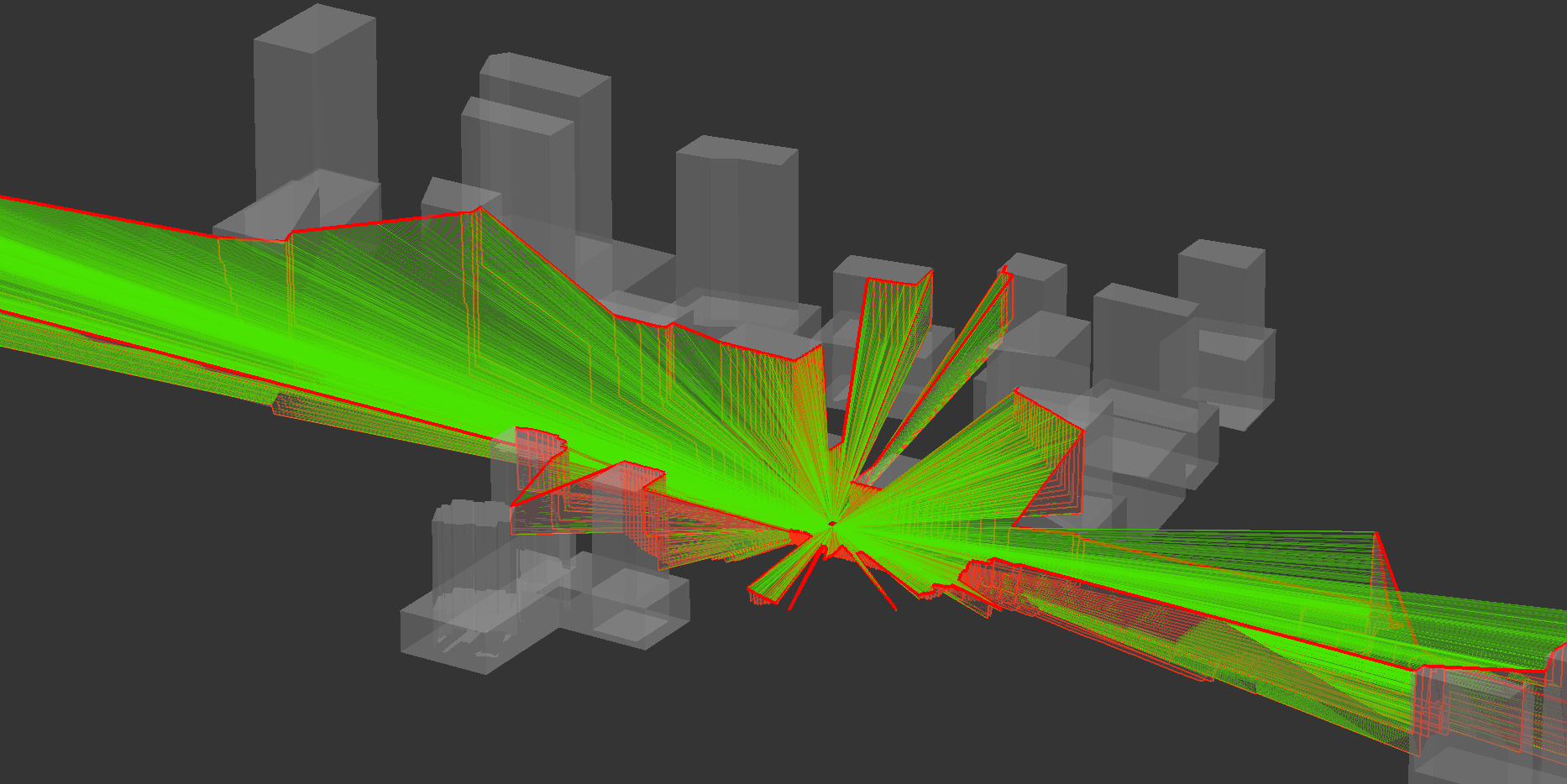
As globalization and urbanization continue to shape our landscapes, the task of integrating new developments into existing environments becomes increasingly complex. Visual impact assessments (VIAs) serve as crucial tools in evaluating how proposed land developments will affect their surroundings. By understanding and predicting how a project will alter the visual environment, decision-makers can mitigate negative impacts and enhance positive ones. This article explores the essential considerations for conducting effective visual impact assessments in land development projects.
Understanding Visual Impact Assessment
Visual impact assessments are systematic evaluations of the potential visual effects of a proposed development on the landscape and its viewers. These assessments are vital in ensuring that projects harmonize with their surroundings, preserving the aesthetic and cultural value of the landscape.
Read more about this topic.
Key Components of a Visual Impact Assessment
- Baseline Analysis: This involves documenting the existing visual environment, including landscape features, cultural landmarks, and the current visual quality.
- Viewer Sensitivity: Understanding the perceptions and expectations of different viewer groups is crucial. This includes residents, tourists, and communities who interact with the landscape.
- Impact Prediction: Assess the changes in visibility, aesthetic quality, and the potential for visual disturbance.
- Mitigation Measures: Propose strategies to minimize negative visual impacts, such as landscape screening or architectural design modifications.
Steps in Conducting a Visual Impact Assessment
Conducting a visual impact assessment requires a structured approach to ensure comprehensive analysis. The following steps outline a typical VIA process:
Step 1: Define the Scope
Clearly define the scope of the assessment, including the geographic area, the aspects of the project to be assessed, and the viewer groups to be considered. This step establishes the boundaries and focus of the VIA.
Step 2: Baseline Study
Conduct a thorough baseline study to document the existing conditions of the landscape. This includes mapping the visual resources and identifying key viewpoints.
Learn more in this detailed guide.
Step 3: Visual Impact Analysis
Analyze potential impacts by comparing the baseline conditions with the anticipated changes due to the development. This includes evaluating the project’s scale, form, and materials in relation to the existing environment.
Step 4: Mitigation Strategies
Develop and recommend mitigation strategies to alleviate adverse visual impacts. These can involve design alterations, landscape enhancements, or relocation of certain project elements.
Step 5: Reporting and Review
Compile the findings into a comprehensive report and engage with stakeholders for feedback and review. Public consultations may be conducted to gather input from the community and other interested parties.
Explore further insights here.
Challenges and Considerations
Conducting a VIA presents several challenges, requiring careful consideration and expert judgment. Some of these challenges include:
- Subjectivity: Visual impact assessments often involve subjective judgments. Ensuring a balanced and objective analysis requires input from diverse stakeholders.
- Change Over Time: Landscapes evolve, and what is visually acceptable today might change in the future. Long-term planning is crucial.
- Technological Integration: Advances in visualization technology can enhance the accuracy of VIAs, but they also require technical expertise and resources.
Find additional information here.
Conclusion
Visual impact assessments play a pivotal role in responsible land development by ensuring that new projects integrate harmoniously with their surroundings. By conducting thorough analyses and engaging with communities, developers can minimize negative visual impacts and create environments that are both functional and aesthetically pleasing. Understanding the complexities and methodologies involved in VIAs is essential for any stakeholder involved in land development.