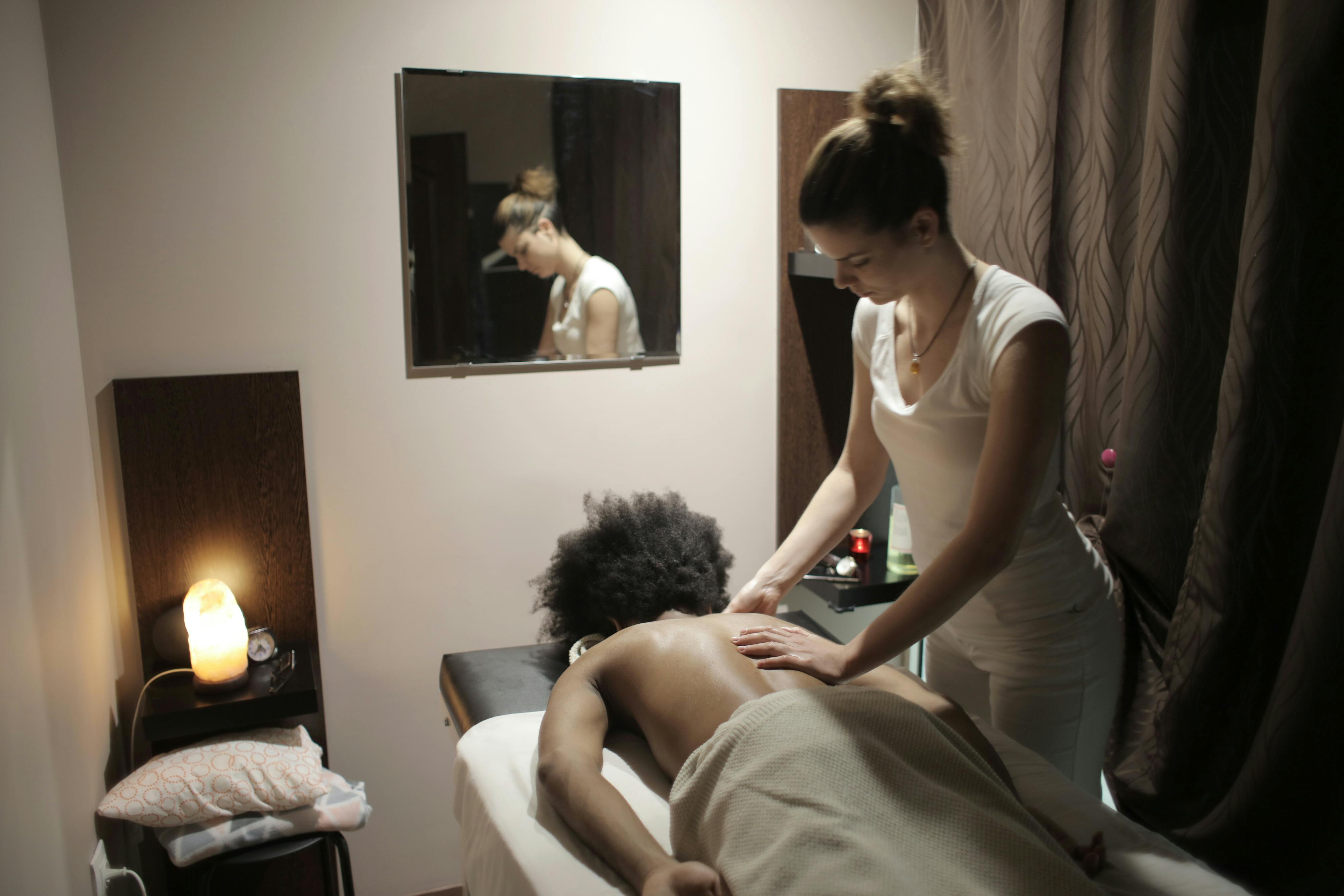
In the realm of sports, athletes continually seek ways to enhance their performance and expedite recovery. One such method gaining popularity is sports massage therapy. This specialized form of massage is designed to help athletes manage the physical demands of their sports and improve their overall performance. By focusing on specific muscle groups and using techniques tailored to an athlete’s needs, sports massage therapy offers numerous benefits that can be pivotal in achieving peak performance.
Understanding Sports Massage Therapy
Sports massage therapy is not just about relaxation. It involves a combination of techniques aimed at manipulating soft tissues to prevent injuries, enhance flexibility, and improve circulation. This therapy is particularly beneficial for athletes who engage in repetitive and high-intensity physical activities.
Key Benefits of Sports Massage Therapy
- Injury Prevention: By addressing muscle tightness and imbalances, sports massage can help reduce the risk of injuries.
- Enhanced Recovery: Massage facilitates increased blood flow, which aids in faster recovery post-exercise.
- Improved Flexibility: Regular sessions can increase an athlete’s range of motion, contributing to better performance.
- Tension Relief: Targeted massage techniques alleviate muscle tension and soreness.
- Mental Relaxation: The calming effect of a massage can reduce stress and improve mental focus.
For athletes interested in integrating sports massage into their routine, it is essential to understand these benefits and how they align with their specific athletic goals. Read more about this topic to discover how sports massage therapy can be tailored to individual needs.
Techniques Used in Sports Massage Therapy
The techniques in sports massage therapy vary depending on the athlete’s sport, their individual needs, and the phase of training they are in. Some of the most common techniques include:
- Effleurage: A gentle stroking technique to warm up the muscles and improve circulation.
- Petrissage: Involves kneading and squeezing to release muscle tension and improve flexibility.
- Friction: Deep, circular movements to break down adhesions and improve muscle elasticity.
- Tapotement: Rhythmic tapping to stimulate nerves and increase blood flow.
- Trigger Point Therapy: Focused pressure on specific points to alleviate pain and tension.
Each of these techniques has its unique purpose and is selected based on an athlete’s specific requirements. Find additional information here about how these techniques are applied in various sports scenarios.
When to Incorporate Sports Massage Therapy
Timing plays a crucial role in maximizing the benefits of sports massage therapy. Here are some guidelines:
- Pre-Event: A light massage to prepare the muscles for activity and prevent injuries.
- Post-Event: Aids in reducing muscle stiffness and promoting relaxation after intense exertion.
- During Training: Regular sessions can help maintain optimal performance and manage stress.
- Rehabilitation: Assists in recovery from injuries by improving circulation and flexibility.
Understanding the appropriate timing and frequency of sessions is crucial for athletes. Learn more in this detailed guide about how to effectively schedule sports massage therapy.
Conclusion
Sports massage therapy is a valuable tool for athletes striving to enhance their performance and maintain their physical health. By incorporating this therapy into their training regimen, athletes can experience improved flexibility, faster recovery, and reduced risk of injury. It is important for athletes to seek professional advice to ensure that the therapy aligns with their specific needs and goals. Explore further insights here to understand how sports massage can be an integral part of an athlete”?s overall strategy for success.