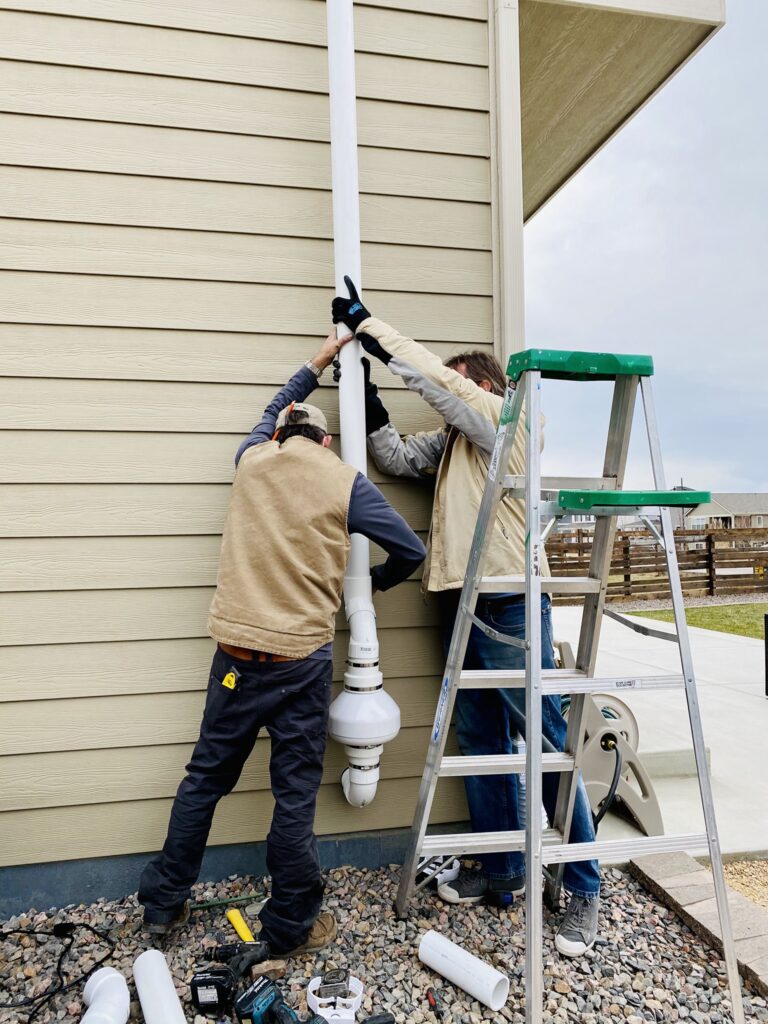
Radon is a naturally occurring radioactive gas that can seep into homes through cracks and other openings in the foundation. It is colorless, odorless, and tasteless, making it difficult to detect without proper testing. In Denver, where geological conditions can contribute to higher radon levels, understanding and mitigating this invisible threat is essential for maintaining a healthy living environment. This article explores the importance of radon mitigation, common methods used in Denver homes, and how homeowners can ensure their families’ safety.
What is Radon and Why is it a Concern?
Radon is produced from the natural decay of uranium found in soil and rock. Once it infiltrates a home, it can accumulate to dangerous levels, posing serious health risks. According to the Environmental Protection Agency (EPA), radon is the second leading cause of lung cancer in the United States, responsible for approximately 21,000 deaths each year. Homeowners in Denver are advised to test their homes regularly, as the region’s geological characteristics can lead to elevated radon levels.
Radon Testing: The First Step
Testing is the only way to know if a home has high radon levels. Denver residents can opt for:
- Short-term tests: These can range from 2 to 90 days and provide a quick snapshot of radon levels.
- Long-term tests: Lasting more than 90 days, these provide a more accurate representation of the home’s average radon levels.
After testing, homeowners should compare results to the EPA’s recommended action level of 4 pCi/L. If levels exceed this threshold, mitigation measures should be considered. Discover expert strategies here.
Understanding Radon Mitigation Systems
Radon mitigation systems are designed to reduce radon concentrations in indoor air. Common systems used in Denver include:
- Sub-slab depressurization: A fan and pipe system that draws radon from beneath the home and releases it outside.
- Soil suction: Similar to sub-slab depressurization, but used in homes without basements.
- Sealing: Cracks and openings in the foundation are sealed to minimize radon entry, often used in conjunction with other methods.
For detailed guidance on selecting and installing an effective system, learn about our tailored solutions.
Choosing a Radon Mitigation Professional
While some homeowners opt for DIY solutions, hiring a certified professional is recommended for effective radon mitigation. When selecting a professional:
- Verify credentials: Ensure they have the necessary certifications and licenses.
- Check references: Ask for testimonials or reviews from past clients.
- Request a detailed proposal: Understand the proposed solution and cost.
Working with experts ensures that the chosen method is suitable for the home’s specific conditions. Explore advanced guides and tips.
Maintaining a Radon-Free Home
After installing a mitigation system, regular maintenance is crucial to ensure its effectiveness. Homeowners should:
- Conduct periodic retesting: At least every two years to ensure radon levels remain low.
- Inspect system components: Fans and seals should be checked regularly for wear and tear.
- Stay informed: Keep up with the latest radon research and mitigation technologies.
Consistent monitoring and maintenance can help protect families from radon’s harmful effects. For more information, find out more about this approach.