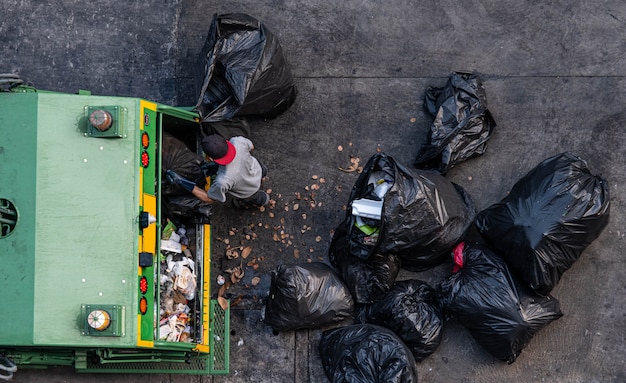
The increasing concern for environmental sustainability has led to a significant shift in the way communities manage waste. With the goal of reducing landfill impact, municipalities and residents are turning to eco-friendly alternatives for waste disposal. One such solution is the implementation of recycling programs, which not only conserve natural resources but also minimize the environmental effects of waste management. To better understand the importance of recycling and the steps involved in reducing landfill impact, it is essential to explore the role of responsible waste disposal in preserving the environment.
Understanding the Impact of Waste Management
The way communities manage waste has a direct impact on the environment. Landfills, which are often the final destination for waste, pose significant environmental concerns. These include greenhouse gas emissions, water pollution, and soil contamination. Furthermore, the extraction and processing of raw materials required for waste management contribute to deforestation, habitat destruction, and energy consumption. By adopting recycling practices, communities can significantly reduce the environmental impact associated with waste disposal.
The Role of Recycling in Reducing Landfill Impact
Recycling plays a crucial role in reducing landfill impact by allowing communities to conserve natural resources, reduce energy consumption, and decrease greenhouse gas emissions. By reusing materials, recycling helps to minimize the need for raw materials, which in turn reduces the environmental effects of extraction and processing. For instance, recycling a single ton of paper saves 17 trees, 7,000 gallons of water, and 4,100 kilowatt-hours of electricity. Similarly, recycling a ton of steel saves 2.5 tons of iron ore, 1.4 tons of coal, and 120 pounds of limestone.
Implementing Effective Recycling Programs
Implementing effective recycling programs requires a multi-faceted approach. This includes educating residents about the importance of recycling, providing accessible recycling facilities, and promoting a culture of sustainability. Communities can also explore alternative waste management methods, such as composting and anaerobic digestion, which can further reduce landfill impact. For instance, composting organic waste can divert up to 30% of municipal solid waste from landfills, reducing greenhouse gas emissions and conserving water resources.
Best Practices for Reducing Landfill Impact
Reducing landfill impact requires a commitment to sustainable waste management practices. Some best practices include:
- Implementing curbside recycling programs to make recycling accessible to all residents.
- Providing education and outreach programs to promote recycling awareness and participation.
- Encouraging residents to reduce their waste generation through practices such as reducing, reusing, and recycling.
- Exploring alternative waste management methods, such as composting and anaerobic digestion.
Conclusion
Reducing landfill impact is a critical step towards achieving environmental sustainability. By adopting recycling practices and implementing effective waste management strategies, communities can conserve natural resources, reduce energy consumption, and decrease greenhouse gas emissions. As communities continue to explore innovative solutions to waste management, it is essential to prioritize education, outreach, and community engagement to promote a culture of sustainability. For more information on reducing landfill impact and implementing effective recycling programs, visit the Midumper Recycling Guide for a comprehensive resource on waste management practices.
By working together to reduce landfill impact, we can create a more sustainable future for generations to come.
For additional insights on reducing waste and promoting sustainability, explore further resources on this topic.
By adopting sustainable waste management practices, communities can significantly reduce their environmental footprint and contribute to a healthier planet.
Learn more about the benefits of recycling and reducing landfill impact by visiting the Midumper Recycling Guide.