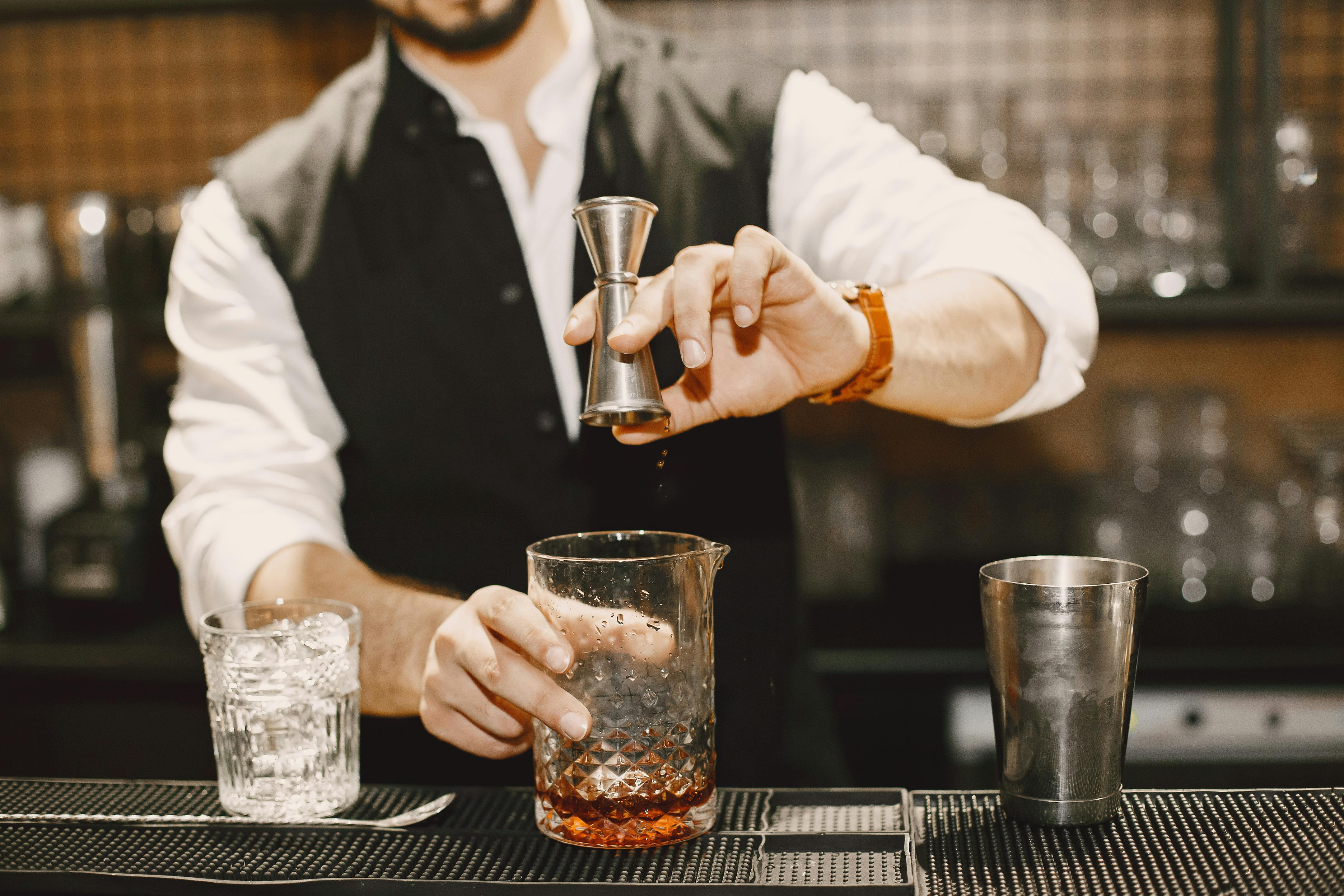
Ensuring the safety of guests, staff, and vendors is the cornerstone of any successful public event or festival that features an alcohol mobile bar. From the moment a mobile cocktail bar arrives on site to the final clean-up, a comprehensive safety protocol protects the community, complies with local regulations, and maintains the reputation of the event. This guide outlines the essential steps and best practices that organizers, bar operators, and security teams should follow to create a secure, enjoyable environment for all attendees.
Pre-Event Planning and Risk Assessment
Site Selection and Layout
- Choose a location that is well-lit, away from high-traffic walkways, and easily accessible for emergency services.
- Design a clear flow: separate the serving area from the crowd, provide distinct entry and exit points, and allocate space for a designated ID-checking station.
- Install barriers or railings around the mobile bar drinks station to prevent accidental knocks or spills.
Licensing and Legal Compliance
- Verify that the mobile bar holds a valid liquor license for the specific jurisdiction and event type.
- Confirm compliance with local noise ordinances, health codes, and fire safety regulations.
- Maintain a copy of all permits on site and make them available to venue managers and law-enforcement officials.
Staff Training and Certification
- All bartenders and servers should complete a recognized responsible-service-of-alcohol (RSA) program.
- Provide refresher training on recognizing intoxication, refusing service, and handling difficult patrons.
- Equip staff with basic first-aid knowledge and ensure at least one certified first-aider is present at all times.
On-Site Safety Measures
Identification and Age Verification
- Set up a dedicated ID-checking booth staffed by trained personnel before guests reach the serving line.
- Use handheld scanners or UV lights to detect counterfeit IDs, especially for events attracting younger crowds.
- Document any incidents of under-age attempts for post-event reporting.
Alcohol Service Controls
- Implement a ticket or wristband system that limits the number of drinks per guest.
- Offer a balanced menu that includes non-alcoholic alternatives and low-ABV options such as mobile wine services.
- Rotate staff frequently to reduce fatigue and maintain vigilance during peak hours.
Equipment Safety
- Secure all glassware, dispensers, and mixers to stable surfaces; use shatter-proof alternatives where possible.
- Conduct daily inspections of electrical cords, gas lines, and refrigeration units to prevent malfunctions.
- Keep fire extinguishers rated for Class B (flammable liquids) within easy reach of the bar area.
Collaboration with Security and Emergency Services
Integrated Security Plan
- Coordinate with venue security to position personnel around the mobile cocktail bar and monitor crowd density.
- Establish clear communication channels (radio, mobile app) for rapid reporting of incidents.
- Develop a protocol for escalating situations that involve aggressive behavior or repeated over-consumption.
Emergency Response Procedures
- Map out evacuation routes that bypass the bar area and are clearly marked for both staff and guests.
- Assign a point person responsible for notifying local EMS and fire departments in case of a medical or safety emergency.
- Maintain a well-stocked first-aid kit, including supplies for treating alcohol-related injuries such as cuts, burns, or dehydration.
Post-Event Review and Continuous Improvement
Data Collection and Analysis
- Record the number of drinks served, incidents reported, and any regulatory citations received.
- Gather feedback from staff, security, and attendees regarding the flow and safety of the cocktail bar mobile setup.
- Analyze trends to identify high-risk periods (e.g., late-night spikes) and adjust future staffing or service limits accordingly.
Policy Updates and Training Refreshers
- Revise safety protocols based on lessons learned, ensuring they reflect the latest local laws and industry standards.
- Schedule quarterly training sessions for all bar personnel, emphasizing any new procedures or equipment changes.
- Share best-practice checklists with event organizers to promote consistent safety standards across multiple festivals.
Conclusion
Implementing rigorous safety protocols for an alcohol mobile bar at public events and festivals is not merely a regulatory requirement, it is a commitment to the well-being of every guest and staff member. By integrating thorough pre-event planning, on-site controls, seamless coordination with security, and a structured post-event review, organizers can confidently deliver memorable experiences while minimizing risk. The result is a vibrant, responsible celebration where the focus remains on enjoyment, not incident management.