Growing indoor plants can be a rewarding experience, offering aesthetic beauty and a touch of nature within the home. However, the success of indoor gardening heavily relies on selecting the right potting mix. With numerous options available, it can be challenging to decide which one is the best for your plants. Factors such as water retention, aeration, and nutrient content play crucial roles in plant health. This guide aims to help you choose the most suitable indoor potting mix for your green companions.
Understanding Indoor Potting Mix Basics
An indoor potting mix is specifically formulated to provide the ideal environment for indoor plants. Unlike garden soil, which can be too dense, potting mixes are designed to support root health and plant growth. Here are some key components often found in potting mixes:
- Peat Moss: Retains moisture and provides a stable structure.
- Perlite: Enhances aeration and drainage.
- Vermiculite: Improves moisture retention and nutrient exchange.
- Compost: Offers essential nutrients.
Types of Potting Mixes
Traditional Soil Mixes
Traditional potting mixes often contain a blend of peat moss, perlite, and compost. These are suitable for a wide range of indoor plants, providing a balanced environment for growth. However, they can sometimes compact over time, affecting aeration.
Soilless Potting Mixes
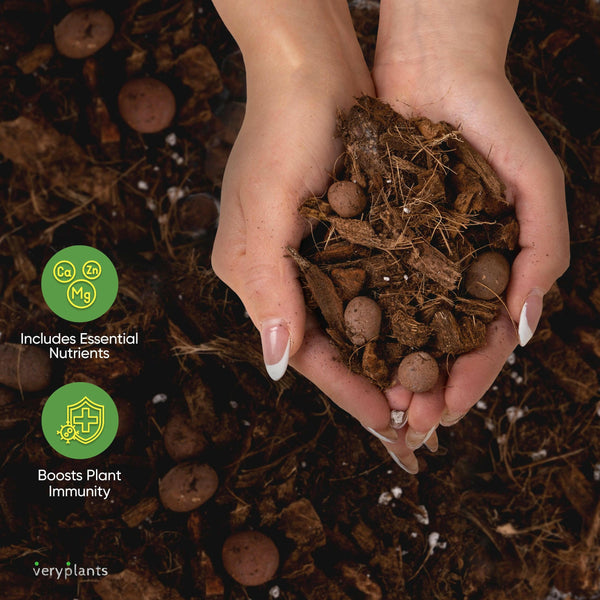
For those seeking alternatives, a soilless potting mix may be an excellent choice. These mixes often include components like coco coir and expanded clay pellets, which offer superior drainage and prevent root rot. This type of mix is particularly beneficial for plants that require well-aerated roots.
Specialized Mixes
Certain plants have specific needs that can be catered to with specialized mixes. For instance, succulents and cacti thrive in gritty, well-draining mixes, while orchids require a bark-based medium. Identifying plant-specific requirements can lead to healthier growth.
Factors to Consider When Choosing a Potting Mix
Selecting the right potting mix involves several considerations to ensure optimal plant health:
- Plant Type: Determine the specific needs of your plant species.
- Water Retention: Choose a mix that balances moisture retention and drainage.
- Nutrient Content: Some plants require nutrient-rich environments, while others do not.
- Environment: Consider the humidity and light conditions of your indoor space.
The Benefits of Soil Alternatives
Exploring soil alternatives for indoor plants can offer unique advantages. Alternatives like coco coir provide excellent water retention while promoting sustainability. Additionally, they are often free from soil-borne diseases, reducing the risk of plant health issues.
Conclusion
Choosing the right indoor potting mix is crucial for the health and longevity of your plants. By understanding the components and types of potting mixes available, along with the specific needs of your plants, you can create an optimal growing environment. Whether opting for a traditional mix or a indoor potting mix, the key is to ensure it supports proper aeration, moisture control, and nutrient availability. With the right mix, your indoor garden can thrive, bringing beauty and life into your home.