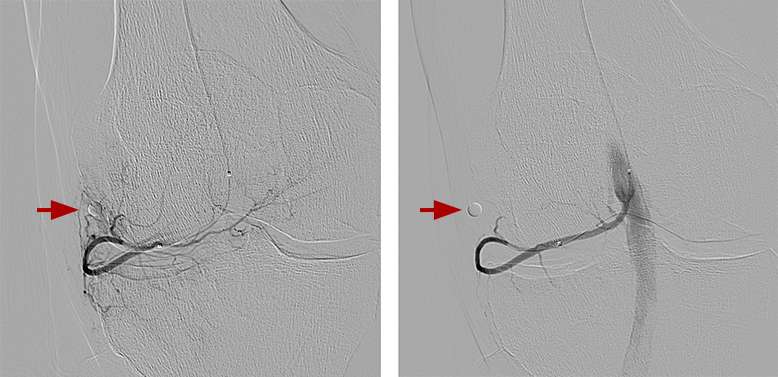
Genicular Artery Embolization (GAE) is a minimally invasive procedure that has gained recognition as an effective treatment for knee pain, particularly in patients suffering from osteoarthritis. This innovative approach targets the blood vessels in the knee, reducing inflammation and alleviating pain without the need for surgery. As more individuals seek alternatives to traditional knee surgeries, understanding the intricacies of GAE can help in making informed decisions about managing knee pain.
Understanding Genicular Artery Embolization
The procedure involves the selective obstruction of the genicular arteries, which are responsible for supplying blood to the knee joint. By reducing blood flow, inflammation and pain can be significantly decreased. This treatment is particularly beneficial for patients who have not found relief from conventional therapies such as physical therapy or medication.
How GAE Works
GAE is performed under local anesthesia, allowing patients to remain awake during the procedure. The interventional radiologist inserts a catheter through a small incision, usually in the groin, and guides it to the genicular arteries using advanced imaging techniques. Tiny particles are then injected to block the blood flow, which helps in reducing pain and inflammation in the knee.
Benefits of Genicular Artery Embolization
- Minimally invasive procedure with a quick recovery time.
- Reduction in knee pain and improved mobility.
- Lower risk of complications compared to traditional surgery.
- Can be an alternative for patients ineligible for knee replacement surgery.
Ideal Candidates for GAE
Suitable candidates for Genicular Artery Embolization include individuals with moderate to severe knee pain due to osteoarthritis who have not achieved relief from other treatments. It is also an option for those who are not ideal candidates for joint replacement surgery due to age or other health conditions.
Risks and Considerations
Like any medical procedure, GAE carries certain risks, although they are generally minimal. Potential complications may include:
- Allergic reaction to the contrast dye used during imaging.
- Infection at the catheter insertion site.
- Bleeding or bruising at the incision site.
Patients should discuss their medical history and any concerns with their healthcare provider to determine if GAE is the right choice for them.
Post-Procedure Expectations
Recovery from GAE is typically swift, with most patients returning home the same day. Common post-procedure instructions include:
- Avoiding strenuous activities for a few days.
- Monitoring the incision site for signs of infection.
- Following up with the healthcare provider to assess the effectiveness of the procedure.
The majority of patients experience a noticeable reduction in pain within a few weeks, with continued improvement over time.
Conclusion
Genicular Artery Embolization offers a promising alternative for those seeking relief from knee pain without undergoing invasive surgery. Its minimally invasive nature, coupled with a reduced recovery time, makes it an attractive option for many individuals. For those interested in exploring this procedure, consulting with a healthcare professional specializing in interventional radiology can provide valuable insights into whether GAE is a suitable treatment option.