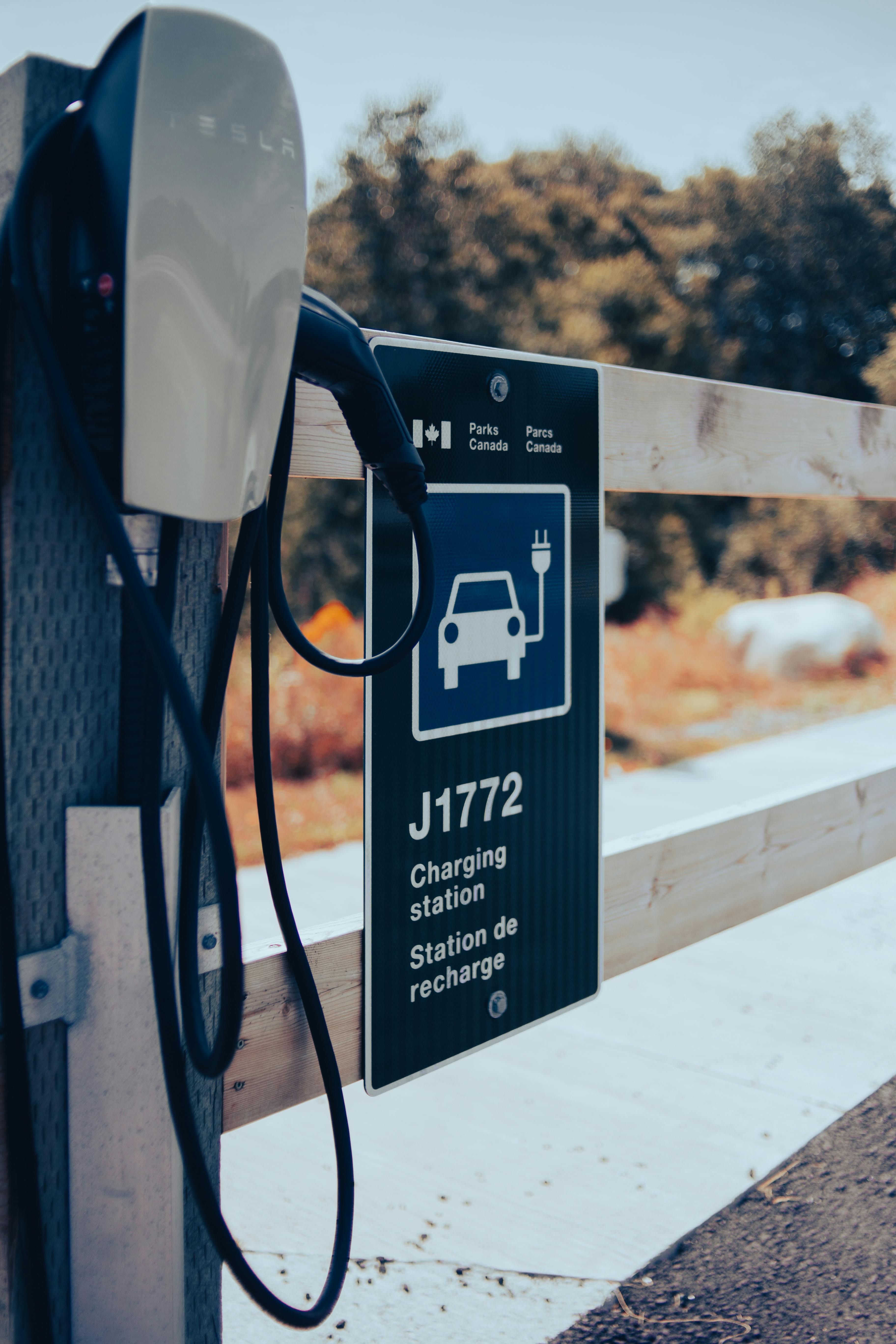
As the world transitions toward cleaner and more sustainable forms of transportation, electric vehicles (EVs) are becoming increasingly prevalent on our roads. One of the critical components enabling this shift is the availability of charging infrastructure. Among various charging options, DC fast chargers stand out as a pivotal element in ensuring that electric vehicle owners have a seamless and efficient charging experience. These fast chargers are instrumental in powering a global charging network that supports the growing fleet of electric vehicles worldwide.
The Role of DC Fast Chargers
DC fast chargers play a crucial role in the electric vehicle ecosystem. Unlike typical home chargers that may take several hours to fully charge an EV, DC fast chargers can replenish a vehicle’s battery in a fraction of the time. This rapid charging capability makes them especially valuable for long-distance travel and in urban areas where quick turnaround times are essential.
- DC fast chargers convert AC power from the grid into DC power, which is directly compatible with the vehicle’s battery.
- They are capable of delivering power levels ranging from 50 kW to over 350 kW, significantly reducing charging times.
- Fast chargers are typically installed at strategic locations such as highways, shopping centers, and urban hubs to maximize accessibility.
Read more about this topic to understand how DC fast chargers integrate with existing infrastructure.
Benefits to Electric Vehicle Owners
With the expansion of DC fast charging networks, electric vehicle owners enjoy numerous advantages:
- Convenience: The ability to quickly charge an EV while on the go reduces range anxiety and increases the feasibility of electric vehicle ownership.
- Flexibility: Fast chargers provide EV owners with more flexibility in planning long-distance journeys, as they can recharge quickly at strategically located stations.
- Reliability: The presence of a robust network of fast chargers enhances the reliability of electric vehicles as a primary mode of transportation.
For a comprehensive understanding of the benefits, learn more in this detailed guide.
Challenges and Considerations
Despite their advantages, there are challenges associated with the deployment and operation of DC fast chargers:
Infrastructure Investment
Installing DC fast chargers requires significant investment in infrastructure, including electrical upgrades and site modifications. These costs can be a barrier to widespread deployment. However, strategic partnerships and government incentives are helping to alleviate these financial hurdles.
Energy Demand and Grid Impact
Fast chargers draw substantial power from the grid, which can strain local energy resources, especially during peak demand periods. It is crucial to manage this demand effectively to maintain grid stability and support sustainable energy consumption.
Find additional information here on how these challenges are being addressed globally.
Future of DC Fast Charging Networks
The future of electric vehicles and charging infrastructure is promising, with continued technological advancements and investments paving the way. Emerging trends include:
- Higher Charging Speeds: Continued improvements in charging technology are expected to reduce charging times even further, making EVs more convenient than ever.
- Network Expansion: The number of DC fast charging stations is projected to grow exponentially, enhancing accessibility and coverage.
- Integration with Renewable Energy: Incorporating renewable energy sources into fast charging networks is becoming a priority, contributing to a sustainable energy ecosystem.
To explore further insights into the future of DC fast charging networks, explore further insights here.
As the electric vehicle market expands, DC fast chargers will continue to play a vital role in supporting a sustainable and efficient transportation system. Their ability to deliver rapid and reliable charging solutions is essential for achieving widespread EV adoption and reducing carbon emissions globally.