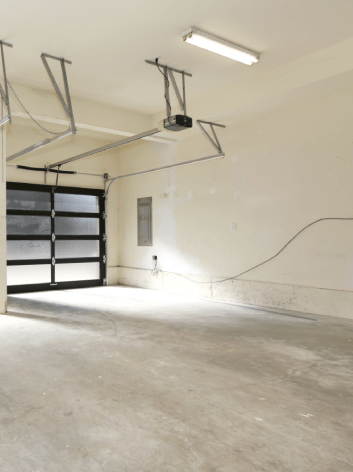
Decorative concrete staining has transformed ordinary slabs into works of art, offering homeowners and designers a versatile, cost-effective way to achieve the look of natural stone, brick, or even polished marble without the associated expense or maintenance. By penetrating the surface rather than merely coating it, stained concrete creates a durable, slip-resistant finish that ages gracefully while retaining its vivid color. This article explores the key benefits, design possibilities, and practical considerations that make decorative concrete staining a compelling choice for both residential and commercial projects.
Why Choose Decorative Concrete Staining?
When evaluating flooring options, several factors set stained concrete apart from traditional materials:
- Longevity: The pigment bonds chemically with the concrete, ensuring color stability for decades.
- Low Maintenance: Unlike carpet or hardwood, stained surfaces resist stains, scratches, and moisture, requiring only periodic cleaning.
- Cost Efficiency: The process utilizes existing concrete substrates, eliminating the need for demolition or costly material purchases.
- Environmental Impact: By repurposing existing slabs, the method reduces waste and the carbon footprint associated with new material production.
Design Flexibility and Aesthetic Options
One of the most appealing aspects of decorative concrete staining is its ability to mimic a wide range of natural textures and colors. Designers can achieve:
1. Natural Stone Replicas
- Granite-look finishes with speckled gray and black tones.
- Marble-style veining achieved through acid-etched techniques.
2. Earthy Tones and Warm Hues
- Terracotta and rust shades that complement Mediterranean interiors.
- Soft beige and sand colors ideal for minimalist designs.
3. Bold, Contemporary Palettes
- Deep blues, emerald greens, or charcoal blacks for modern commercial spaces.
- Gradient or ombre effects created by layering multiple stains.
These options can be combined with texturing methods such as stamping, polishing, or etching to produce a truly unique surface. The result is a stained concrete floor that reflects both personal style and functional demands.
Understanding the Staining Process
Professional concrete staining services follow a systematic approach to ensure consistent color depth and surface integrity:
- Surface Preparation: The concrete is cleaned, any existing sealers are removed, and imperfections are repaired.
- Application of Acid-Based Stain: The stain penetrates the pores, reacting chemically to produce permanent color.
- Neutralization and Rinse: After the desired hue develops, the surface is neutralized to halt further reaction.
- Sealing: A high-performance sealer protects the color and enhances slip resistance.
Choosing a skilled technician is crucial, as factors such as concrete porosity, ambient temperature, and stain concentration affect the final appearance. Proper execution guarantees a uniform, vibrant finish that stands up to foot traffic and environmental exposure.
Practical Applications
Stained concrete is not limited to residential floors; its adaptability extends to a variety of settings:
- Patios and Outdoor Walkways: Weather-resistant colors keep exterior spaces looking fresh year after year.
- Commercial Lobbies: High-impact designs create memorable first impressions for clients and visitors.
- Industrial Facilities: Durable, slip-resistant surfaces meet safety standards while adding visual appeal.
- Retail Showrooms: Custom hues can reinforce brand identity and guide customer flow.
Maintenance Tips for Long-Lasting Beauty
To preserve the brilliance of concrete floor staining, consider the following routine practices:
- Use pH-neutral cleaners to avoid damaging the sealant.
- Promptly remove spills, especially acidic substances like citrus juices or vinegar.
- Reapply a protective sealer every 2-3 years in high-traffic areas.
- Avoid abrasive scrubbers that can wear down the surface texture.
Cost Considerations and Return on Investment
While the initial expense of professional staining may appear higher than a simple concrete pour, the long-term savings are significant. Compared to hardwood or tile, stained concrete eliminates the need for periodic refinishing, reduces heating and cooling costs due to its thermal mass, and adds resale value through its modern aesthetic. When budgeting, factor in:
- Preparation work (crack repair, cleaning).
- Quality of stain and sealer products.
- Complexity of design (custom patterns may increase labor time).
Overall, the return on investment stems from durability, low upkeep, and the visual impact that differentiates a property in a competitive market.
Choosing the Right Partner for Stained Concrete Projects
Successful outcomes hinge on collaborating with a team that understands both the artistic and technical aspects of concrete staining. Look for professionals who:
- Provide a portfolio showcasing diverse color palettes and textures.
- Explain the chemistry behind acid-based stains and their suitability for specific substrates.
- Offer transparent timelines and detailed cost breakdowns.
- Maintain certifications or affiliations with industry standards organizations.
Conclusion
Decorative concrete staining merges durability with artistic expression, delivering a floor that is both functional and visually striking. Whether enhancing a residential patio, creating a bold commercial entryway, or revitalizing an industrial workspace, the technique offers endless design possibilities while remaining budget-friendly and low-maintenance. By selecting experienced professionals and adhering to proper maintenance practices, property owners can enjoy the timeless appeal of stained concrete for decades to come.