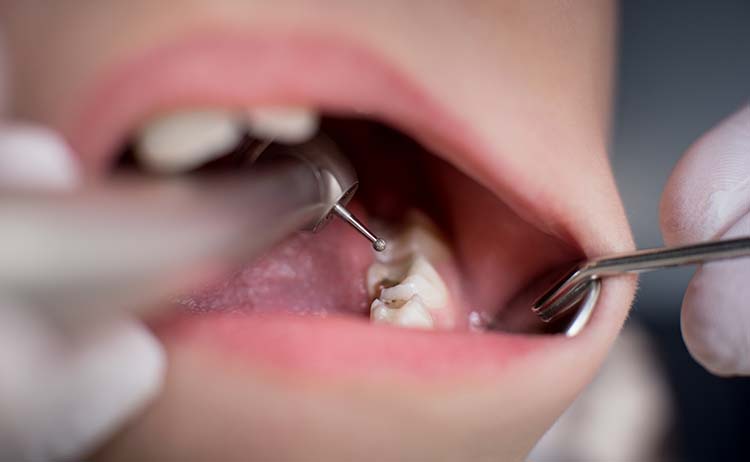
In recent years, the field of dentistry has seen significant advancements, particularly in restorative techniques. These modern methods are designed to improve both the functionality and aesthetics of teeth, offering numerous benefits to those in need of dental restoration. From minimally invasive procedures to high-tech digital solutions, restorative dentistry has evolved to provide effective solutions for a wide range of dental issues.
The Evolution of Restorative Dentistry
The journey of restorative dentistry has been marked by the introduction of innovative materials and techniques. Traditional methods, while effective, often involved extensive procedures that could be uncomfortable for patients. Modern restorative dentistry, however, focuses on precision and patient comfort.
Technological Advancements
Recent technological advancements have revolutionized the way dental restorations are performed. Some key technologies include:
- CAD/CAM Technology: This allows for the creation of precise dental restorations such as crowns and bridges, reducing the time required for these procedures.
- 3D Printing: Dentists can now create highly accurate models of a patient’s mouth, ensuring better fitting restorations.
- Digital Imaging: Advanced imaging techniques help in diagnosing dental issues more accurately, leading to effective treatment planning.
Materials and Techniques
Innovative materials and techniques have played a crucial role in enhancing restorative dentistry. Key developments include:
- Composite Resins: These materials offer a more natural appearance and are used in fillings, bonding, and veneers.
- Zirconia and Porcelain: These strong, durable materials are used in crowns and bridges, providing both strength and aesthetic appeal.
- Minimally Invasive Techniques: Techniques such as air abrasion and laser dentistry reduce discomfort and recovery time for patients.
Benefits of Modern Restorative Dentistry
Modern restorative dentistry provides numerous advantages over traditional methods. Some of the key benefits include:
- Improved Aesthetics: Advanced materials mimic the natural appearance of teeth, resulting in restorations that blend seamlessly with existing teeth.
- Enhanced Functionality: Restorative techniques allow for the restoration of tooth function, which is crucial for effective chewing and speaking.
- Durability: High-quality materials ensure that restorations are long-lasting and resistant to wear and tear.
- Comfort and Convenience: Modern techniques often require fewer appointments and result in less discomfort during and after the procedure.
- Preservation of Tooth Structure: Minimally invasive procedures help preserve as much of the natural tooth structure as possible.
Choosing the Right Restorative Solution
Choosing the appropriate restorative solution is essential for ensuring optimal results. Consideration of factors such as the extent of dental damage, patient preferences, and budget constraints is important. Consulting with a dental professional can help patients make informed decisions.
Consultation and Customization
Professional consultation is vital in tailoring a treatment plan that meets individual needs. A personalized approach ensures that patients receive the most suitable restorative solution. Dentists use a comprehensive evaluation process to determine the best course of action.
Conclusion
The advancements in restorative dentistry have empowered dental professionals to offer solutions that are not only effective but also patient-friendly. By leveraging cutting-edge technology and techniques, modern restorative dentistry ensures improved outcomes for patients seeking to restore their dental health and aesthetic. Whether it’s a simple filling or a complex full-mouth reconstruction, contemporary methods provide reliable and satisfactory results.