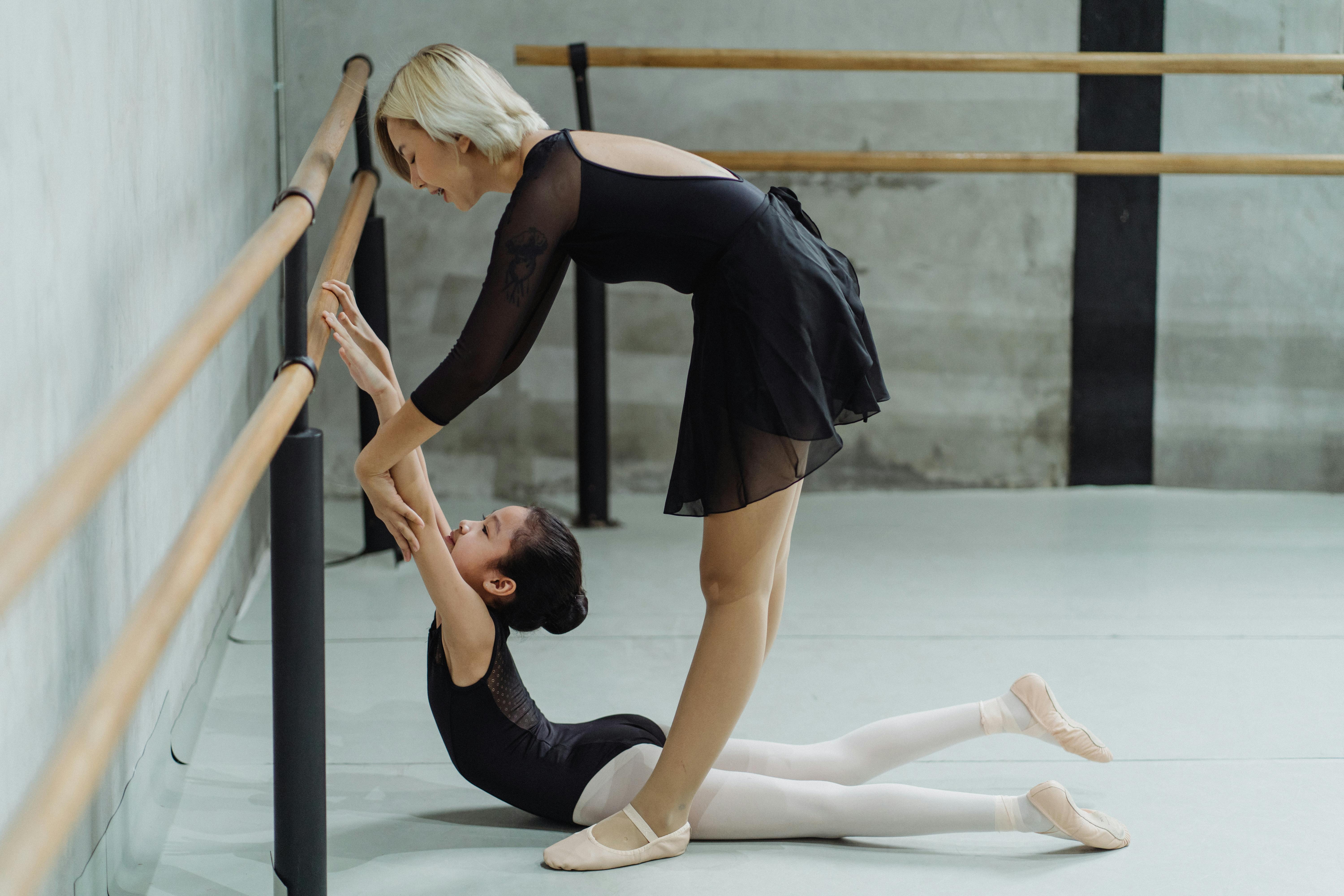
Enrolling a child in ballet lessons is a decision that can have a profound impact on their physical, emotional, and social development. Ballet is not just an art form; it is a discipline that teaches grace, poise, and dedication. It is a medium through which children can express themselves creatively while gaining valuable life skills. This article explores the benefits of ballet lessons and how to choose the right program for your child.
The Benefits of Ballet Lessons for Children
Physical Development
Ballet is an excellent form of exercise that promotes overall physical health. Children who participate in ballet lessons benefit from:
- Improved Flexibility: Regular practice increases flexibility, which is crucial for injury prevention and overall agility.
- Stronger Muscles: Ballet exercises target various muscle groups, enhancing strength without bulkiness.
- Better Posture: Ballet teaches children the importance of good posture, which can lead to improved confidence.
Emotional and Social Growth
Beyond physical benefits, ballet lessons can also foster emotional and social growth. Children learn important skills such as:
- Discipline and Dedication: Ballet requires consistent practice and focus, instilling a strong work ethic.
- Teamwork and Cooperation: Group rehearsals and performances teach children how to work effectively with others.
- Self-Expression: Ballet allows children to express themselves through movement, enhancing their creativity and emotional intelligence.
For more insights into how ballet can benefit children, discover expert strategies here.
Choosing the Right Ballet Program
When selecting a ballet program, several key factors should be considered to ensure it aligns with the child’s needs and interests:
Instructor Expertise
The quality of instruction is paramount in ballet education. Look for programs with experienced instructors who understand the developmental stages of children. Learn about our tailored solutions to find programs with qualified teachers.
Curriculum and Class Structure
It is crucial to assess the curriculum and class structure to ensure it is appropriate for your child’s age and skill level. Consider the following:
- Age-Appropriate Classes: Programs should offer classes tailored to different ages and skill levels.
- Progressive Learning: Look for a curriculum that allows for gradual progression and skill development.
For detailed information on choosing the right program, explore advanced guides and tips.
Facility and Environment
The environment where ballet lessons take place is also crucial. A safe and welcoming space can enhance the learning experience:
- Safety Standards: Ensure the facility adheres to safety standards, including proper flooring and equipment.
- Welcoming Atmosphere: A supportive and encouraging atmosphere helps children feel comfortable and motivated.
To understand more about creating the right environment, find out more about this approach.
Conclusion
Enrolling a child in ballet lessons offers a multitude of benefits that extend far beyond the dance studio. From physical health to emotional well-being and social skills, ballet is a comprehensive activity that supports holistic development. When choosing a ballet program, it is important to consider the expertise of instructors, the curriculum, and the learning environment. These factors will ensure that children receive a balanced and enriching ballet education. For additional resources and guidance, visit this page.