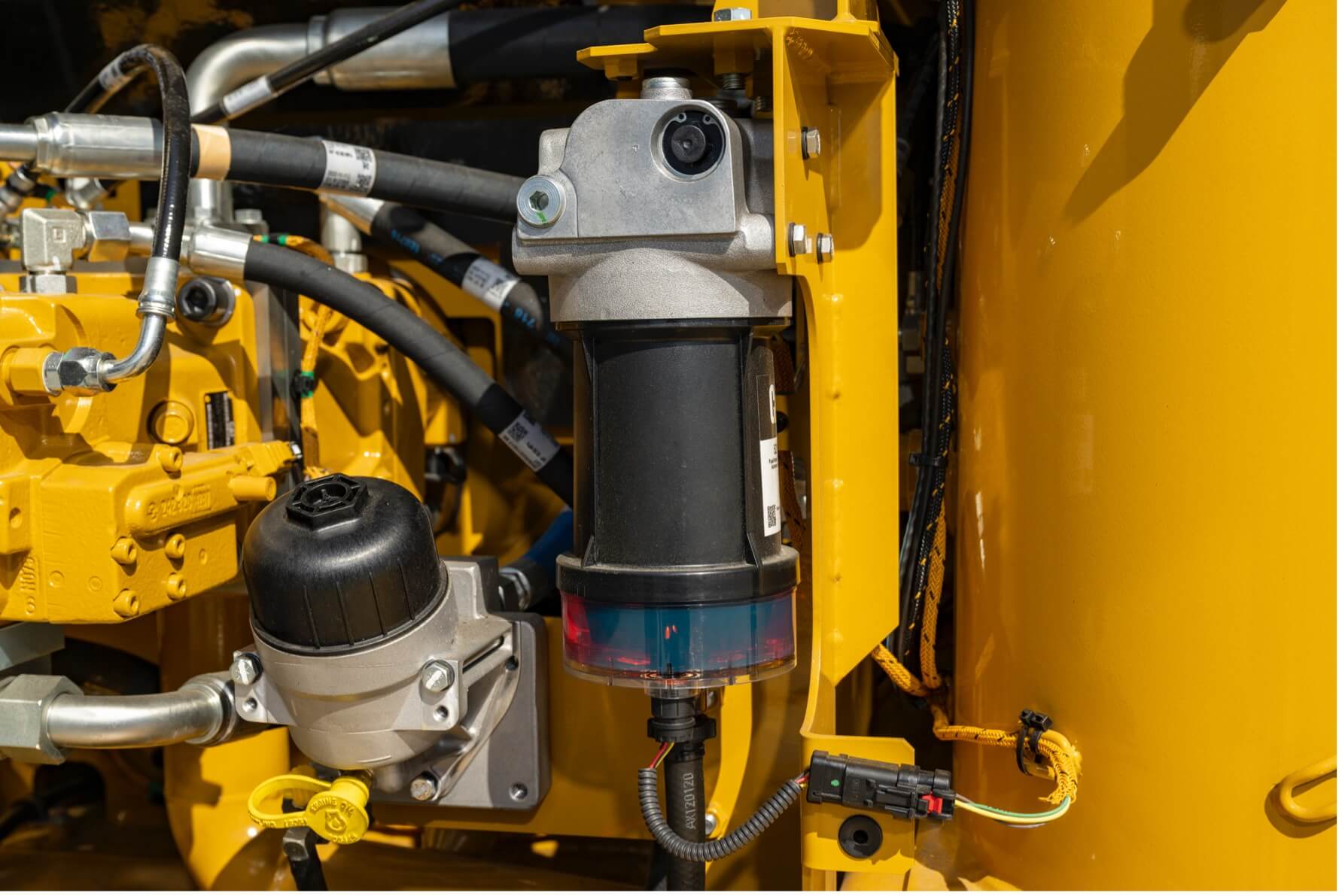
Hydraulic lift systems are essential components in various industries, ranging from construction to aviation, due to their ability to provide powerful lifting capabilities. These systems operate on the principles of fluid mechanics, utilizing hydraulic fluid to transmit force across different components. Understanding the key components of hydraulic lift systems is crucial for engineers and technicians who work with these systems to ensure efficient and safe operations. This article delves into the integral parts of hydraulic lift systems, exploring their functions and significance in the overall mechanism.
Core Components of Hydraulic Lift Systems
In any hydraulic lift system, several key components work in harmony to achieve the desired lifting action. Each of these components plays a specific role in ensuring the system’s effectiveness and reliability.
Hydraulic Pump
The hydraulic pump is the heart of the system, converting mechanical energy into hydraulic energy. It generates the flow of hydraulic fluid necessary for the system to operate. Key characteristics of hydraulic pumps include:
- Type: Vane, gear, and piston pumps are the most common types used in hydraulic systems.
- Capacity: Measured in gallons per minute (GPM), indicating the pump’s fluid delivery rate.
- Pressure: Determines the force the pump can exert, influencing the system’s lifting capability.
Hydraulic Cylinder
The hydraulic lift cylinder is a crucial component that transforms hydraulic energy back into mechanical force. It is responsible for the actual lifting action in the system. Important aspects include:
- Bore Size: Larger bores can exert more force, critical for heavy lifting applications.
- Stroke Length: Determines the distance the piston can travel, affecting the lift height.
- Material: Typically made from steel or aluminum, ensuring durability and strength.
Hydraulic Fluid
The hydraulic fluid is the medium through which all energy transfers occur. The choice of fluid impacts system efficiency and longevity. Considerations include:
- Viscosity: Affects the fluid’s flow characteristics and system performance.
- Lubrication: Provides necessary lubrication to reduce wear on moving parts.
- Temperature Stability: Ensures consistent performance under varying temperatures.
Additional Hydraulic Lift Components
Beyond the core components, other elements are essential for the system’s operation and integrity. These include:
Valves
Valves regulate the flow and direction of the hydraulic fluid. They ensure that the system operates smoothly and safely. Types of valves include:
- Directional Control Valves: Direct the flow of fluid to various parts of the system.
- Pressure Relief Valves: Prevent excessive pressure buildup, protecting the system from damage.
- Flow Control Valves: Adjust the speed of fluid flow, impacting the speed of lifting operations.
Reservoir
The reservoir stores the hydraulic fluid and aids in dissipating heat generated during system operation. It also helps in filtering contaminants, ensuring the fluid remains clean and effective.
Conclusion
Understanding the various hydraulic lift components provides a solid foundation for maintaining and troubleshooting these complex systems. Each component, from the pump to the valves, plays a vital role in ensuring the system operates efficiently and safely. Those working with lift hydraulics must have a comprehensive understanding of these parts to enhance performance and extend the lifespan of the equipment. Whether it’s in construction or any other industry, the reliance on hydraulic equipment continues to grow, making expertise in these systems increasingly valuable.