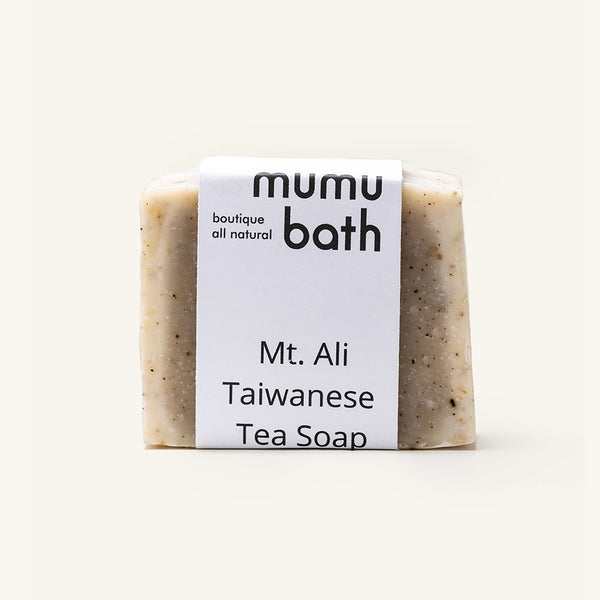
In today’s world, an increasing number of consumers are making conscious decisions about the products they use daily, driven by a desire to support sustainable living. Among these choices, organic soaps have emerged as a popular option. These soaps not only promise a gentle cleanse but also align with a holistic approach to health and environmental well-being. Understanding the ingredients that go into these soaps is crucial for any discerning buyer. This guide will explore the essential components that define high-quality organic soap, highlighting their benefits and the reasons they are favored in sustainable living.
Why Choose Organic Soap?
Choosing organic soap is not merely about joining a trend; it’s about making a positive impact on both personal health and the environment. Unlike conventional soaps laden with synthetic additives, organic variants are crafted from natural ingredients that are biodegradable and gentle on the skin. Key reasons to consider organic soaps include:
- Environmental Impact: Organic soaps use sustainably sourced ingredients, reducing the ecological footprint.
- Skin Health: Free from harsh chemicals, they minimize the risk of skin irritations and allergies.
- Animal Welfare: Many organic soaps are cruelty-free and do not involve animal testing.
Essential Ingredients in Organic Soap
The effectiveness and allure of organic soap are largely determined by its ingredients. Here are some key components typically found in high-quality organic soaps:
Natural Oils and Butters
- Olive Oil: Known for its moisturizing properties, olive oil helps to nourish and soften the skin.
- Coconut Oil: Offers excellent cleansing properties while providing a rich lather.
- Shea Butter: Rich in vitamins and fatty acids, shea butter is an excellent moisturizer with healing properties.
Essential Oils
Essential oils are a hallmark of organic soaps, providing both fragrance and therapeutic benefits. Popular choices include:
- Lavender Oil: Known for its calming properties, it helps to relieve stress and promote relaxation.
- Tea Tree Oil: Renowned for its antimicrobial properties, it is effective in treating minor skin infections.
- Eucalyptus Oil: Offers invigorating and antiseptic qualities, enhancing respiratory health.
Natural Additives
To enhance the soap’s benefits, organic manufacturers often incorporate natural additives, such as:
- Aloe Vera: Known for its soothing and hydrating properties, it’s ideal for sensitive or sun-exposed skin.
- Oatmeal: Provides gentle exfoliation, helping to remove dead skin cells and improve complexion.
- Activated Charcoal: Known for its detoxifying properties, it draws out impurities from the skin.
How to Identify Quality Organic Soap
When selecting an organic soap, it’s essential to scrutinize the ingredient list and certifications. Look for:
- USDA Organic Certification: Ensures that the soap is made with at least 95% organic ingredients.
- Fair Trade Certification: Indicates ethical sourcing of ingredients, supporting farmers and workers.
- Ingredient Transparency: A clear and comprehensive list of ingredients is a sign of a trustworthy product.
Conclusion
The choice to go green by opting for organic soap is a commitment towards health and sustainability. By understanding the ingredients and their benefits, consumers can make informed decisions that align with their values and lifestyle. Embracing organic soaps is more than just a beauty choice; it’s a step towards a healthier planet and a better future. For those seeking to explore the myriad options available, a visit to an organic soap collection can provide an array of choices that cater to various preferences and needs.