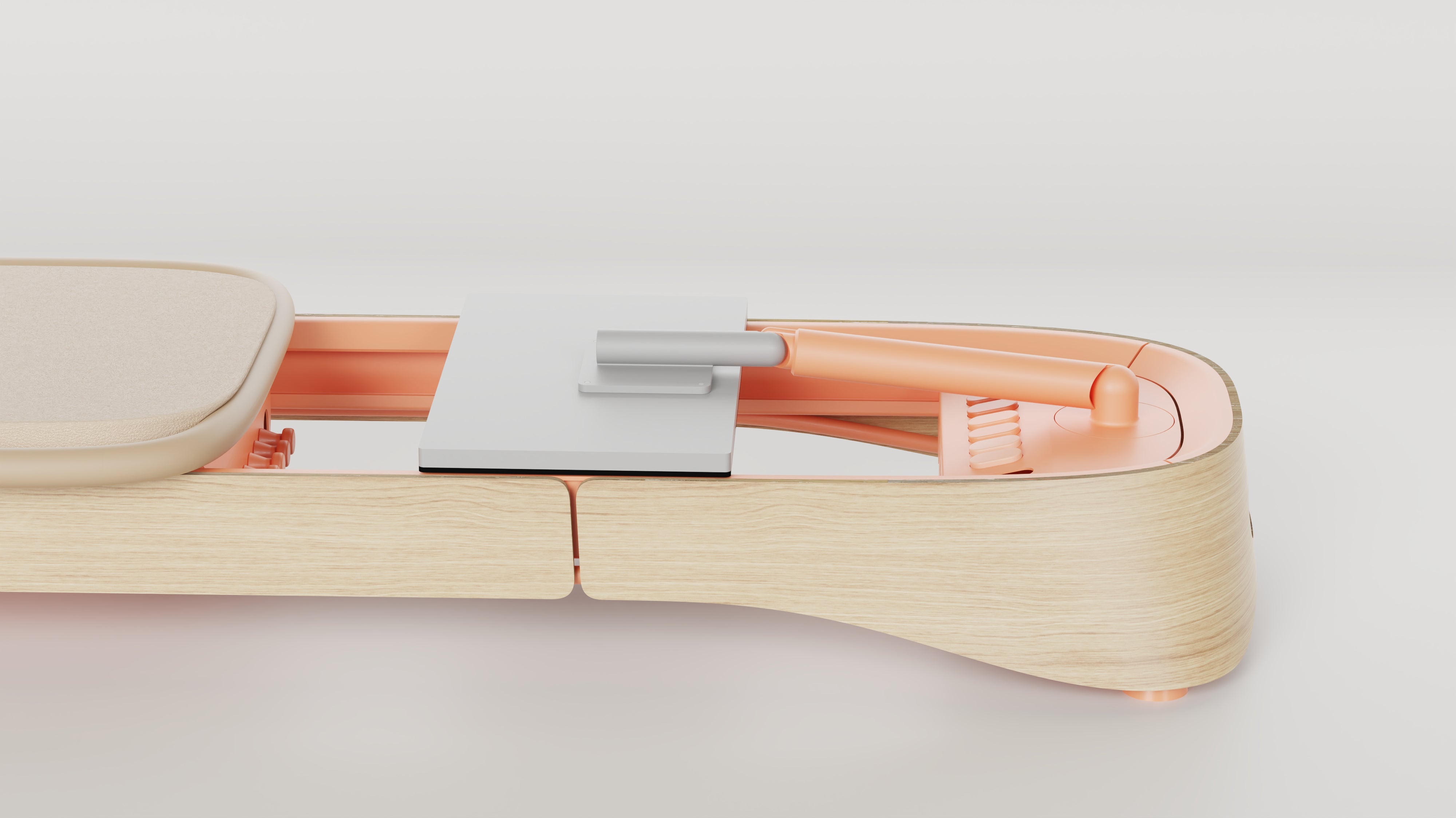
Investing in a Pilates reformer can transform a home studio, a boutique fitness space, or a commercial gym. Yet, the price tag often raises questions: How much does a Pilates machine really cost, and what factors drive those numbers? This guide breaks down the cost components, compares price ranges, and offers practical advice for anyone looking to purchase a reformer that matches both budget and performance expectations.
Understanding the Price Spectrum
Reformers are available in a wide range of prices, generally falling into three categories:
- Entry-level models: $800 – $1,500. Basic frames, limited accessories, and simplified resistance systems.
- Mid-range models: $1,500 – $3,500. Enhanced build quality, smoother carriage movement, and a broader selection of springs and attachments.
- Professional/Commercial models: $3,500 – $7,000+. Heavy-duty frames, precision engineering, and extensive customization options.
These ranges are not arbitrary; they reflect the materials, engineering, and warranty support that come with each tier. For a deeper dive into premium options, Explore advanced guides and tips that discuss the nuances of commercial-grade reformers.
Key Factors That Influence Cost
1. Frame Material and Construction
A sturdy frame is the backbone of any reformer. Aluminum frames keep weight down and are common in entry-level units, while steel or reinforced steel frames dominate mid-range and professional models. Steel frames typically add $500-$1,200 to the price but provide greater durability and smoother operation.
2. Resistance System
Resistance can be supplied by springs, rubber cords, or pneumatic/hydraulic systems. Spring-based systems are the most affordable, whereas pneumatic or hydraulic units, which offer smoother tension curves, can increase cost by up to 30%.
3. Carriage Design
High-quality carriages use low-friction bearings or rollers, reducing wear and noise. A premium carriage can add $200-$600, but it improves the user experience, especially during repetitive movements.
4. Accessories and Attachments
Common accessories include footbars, headrests, shoulder rests, and pulley systems. While each add-on may seem minor, a full accessory package can raise the total price by $300-$800.
5. Brand Reputation and Warranty
Established manufacturers often provide longer warranties (5-10 years) and better customer service. Paying a premium for a reputable brand can be justified by reduced long-term maintenance costs. For a reputable source, Learn about our tailored solutions that include comprehensive support.
Hidden Costs to Consider
- Shipping and handling: Large reformers may require freight shipping, adding $100-$300.
- Assembly: Professional assembly can cost $150-$250, though many users opt for DIY assembly with provided instructions.
- Floor protection: Protective mats or flooring upgrades may be necessary to prevent damage, typically $50-$200.
- Maintenance: Periodic lubrication, spring replacement, and part upgrades can amount to $100-$300 annually.
Cost-Benefit Analysis: Is a Higher Price Worth It?
When evaluating whether to invest in a higher-priced reformer, consider the following criteria:
- Usage frequency: Commercial studios with multiple daily classes benefit from durable, low-maintenance machines.
- Client expectations: Premium clients often expect smoother motion and a wider range of accessories.
- Longevity: A well-built reformer can last 10-15 years, offsetting the initial expense.
- Space constraints: Foldable or compact models may cost more but save valuable studio space.
For those weighing these factors, Find out more about this approach to align equipment choice with business goals.
Tips for Getting the Best Value
- Compare specifications side-by-side rather than focusing solely on price.
- Take advantage of seasonal sales or bundled accessory packages.
- Read independent reviews and watch demonstration videos to assess real-world performance.
- Consider refurbished units from reputable sellers; they often come with limited warranties at a reduced price.
- Negotiate shipping and assembly fees, especially for bulk purchases.
Conclusion
The cost of a Pilates reformer varies widely based on material quality, resistance technology, accessories, and brand support. While entry-level models can launch a home practice for under $1,500, professional studios typically invest $3,500 or more to ensure durability and client satisfaction. By understanding the components that drive price, accounting for hidden expenses, and applying a clear cost-benefit framework, buyers can make informed decisions that balance budget constraints with long-term performance. For a curated selection of reformers that meet rigorous standards, Discover expert strategies here and explore options that align with specific training objectives.