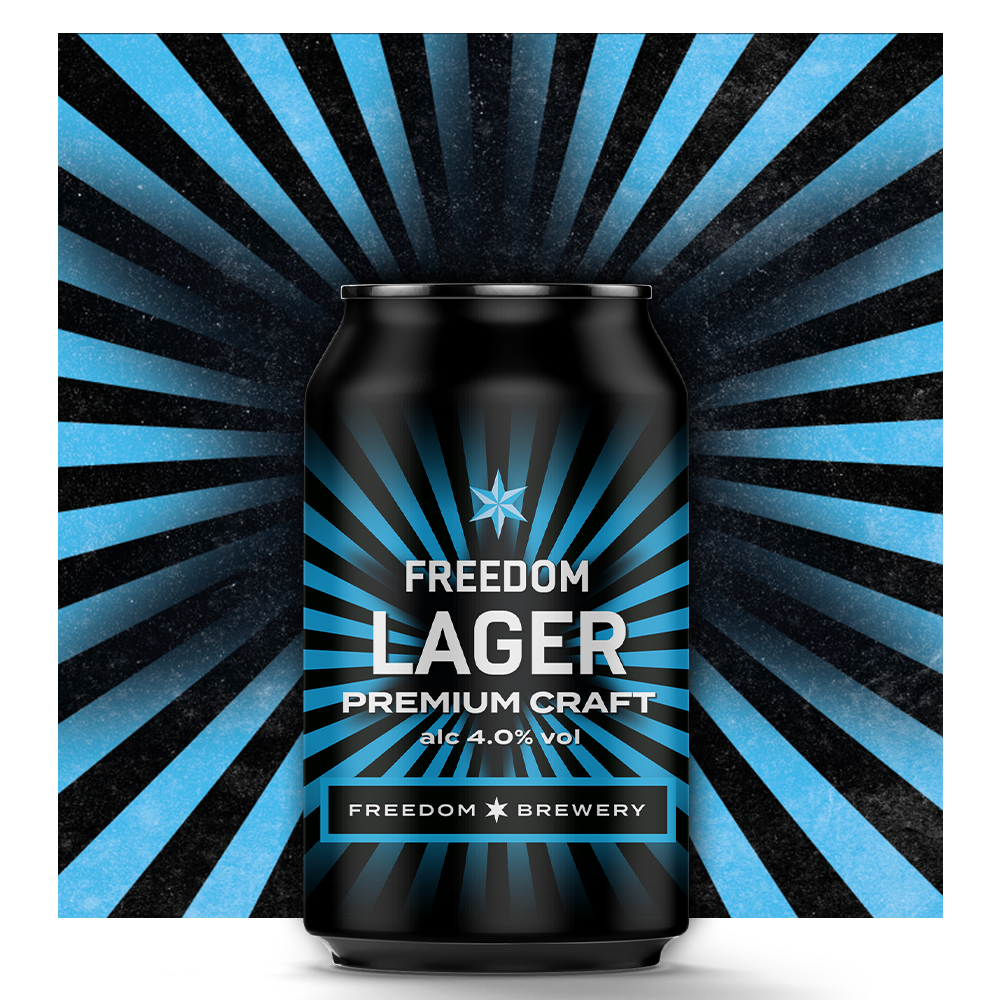
Craft beer has become a staple in the beverage industry, offering consumers a wide array of flavors and styles. One of the most popular styles is lager, known for its crisp and refreshing taste. But what many beer enthusiasts may not fully appreciate is the importance of packaging, particularly when it comes to lager cans. Understanding the intricacies of craft beer packaging can enhance both the brewing process and the consumer’s enjoyment. This article delves into the essential aspects of lager can packaging, providing insights into why it matters and how it influences the craft beer experience.
The Importance of Packaging in Craft Beer
Packaging is more than just a vessel for holding beer; it’s a critical component in preserving the quality and enhancing the appeal of the product. The design and functionality of lager cans play a key role in:
- Freshness: Lager cans are excellent for keeping beer fresh due to their ability to block out light and air.
- Portability: Cans are lightweight and durable, making them ideal for outdoor activities and transportation.
- Environmental Impact: Aluminum cans are recyclable, which aligns with the increasing consumer demand for sustainable packaging.
Understanding Lager Cans
When selecting lager cans, several factors come into play to ensure that the beer maintains its intended flavor profile and freshness. This involves careful consideration of the materials used and the canning process itself.
Material and Design
The material of the can is crucial for protecting the beer from external elements. Aluminum is the preferred choice due to its ability to:
- Block UV rays, which can degrade the quality of beer.
- Provide a tight seal, preventing oxidation and preserving flavor.
- Offer a smooth surface for branding and labeling, enhancing visual appeal.
Canning Process
The process of canning beer is meticulous and requires precision to ensure quality. Key steps include:
- Filling: Cans are filled with beer under controlled conditions to prevent contamination.
- Seaming: The lid is sealed onto the can to ensure a tight closure.
- Pasteurization: Some lagers undergo pasteurization to extend shelf life without compromising taste.
The Benefits of Lager Cans for Brewers and Consumers
Lager cans offer a multitude of benefits for both brewers and consumers, making them a preferred packaging option in the craft beer industry.
For Brewers
- Cost-Effectiveness: Cans are often more economical to produce and transport compared to glass bottles.
- Brand Differentiation: The design flexibility of cans allows for creative branding, helping brewers stand out.
- Extended Shelf Life: Properly canned lagers can have a longer shelf life, reducing waste and increasing profitability.
For Consumers
- Convenience: Cans are easy to chill quickly, making them a convenient option for impromptu gatherings.
- Safety: Unlike glass, cans are less likely to break, reducing the risk of injury.
- Flavor Integrity: The can’s seal and material maintain the beer’s intended flavor, providing a superior tasting experience.
Conclusion
In the world of craft beer, packaging is just as important as the brewing process itself. Lager cans offer a host of advantages that benefit both brewers and consumers, from maintaining freshness to enhancing portability. By understanding the significance of lager cans, enthusiasts can gain a deeper appreciation for their favorite brews and make informed choices that enhance their beer-drinking experience.