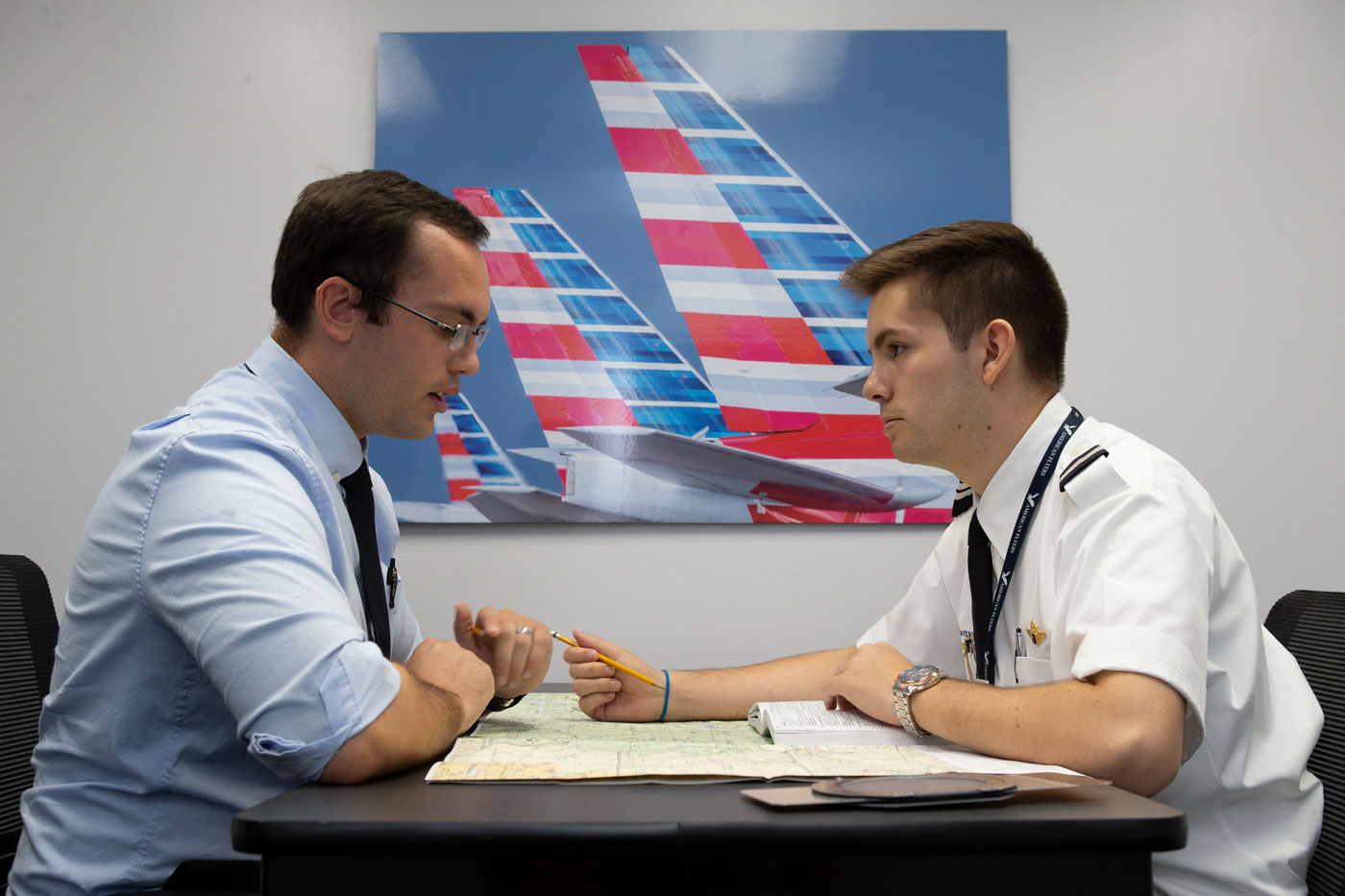
Becoming an airline pilot is a dream shared by many aviation enthusiasts. This career not only offers the thrill of flying but also demands a high level of responsibility, skill, and commitment. Navigating the skies requires comprehensive training, and understanding the various classes and certifications is crucial for aspiring pilots. This guide provides a detailed overview of the essential airline pilot classes, helping you embark on this exciting journey with confidence. Whether you are just beginning your training or looking to advance your skills, strategic education is key to success.
Understanding the Basics of Pilot Training
Before delving into advanced airline pilot classes, it’s important to grasp the foundation of pilot training. Here are the fundamental stages that form the groundwork for aspiring pilots:
- Private Pilot License (PPL): This is the first step in pilot training, allowing individuals to fly privately. It covers basic flight skills, navigation, and safe aircraft operation.
- Instrument Rating (IR): An additional qualification that permits pilots to fly under instrument flight rules (IFR), essential for flying in various weather conditions.
- Commercial Pilot License (CPL): This certification enables pilots to be compensated for flying. Training focuses on advanced maneuvers, complex aircraft systems, and commercial operations.
Advanced Airline Pilot Classes
Multi-Crew Cooperation (MCC)
The MCC course is a critical part of preparing pilots for the airline environment. It emphasizes teamwork and communication in a multi-crew cockpit setting. Discover expert strategies here for mastering this essential component of pilot training.
Airline Transport Pilot License (ATPL)
The ATPL is the highest level of aircraft pilot certification. It is mandatory for those aspiring to captain commercial airliners. This class covers:
- Theoretical Knowledge: In-depth understanding of aviation principles, meteorology, navigation, and flight planning.
- Practical Flight Training: Advanced flight techniques, emergency procedures, and pilot decision-making skills.
Explore advanced guides and tips to enhance your ATPL preparation.
Jet Orientation Course (JOC)
The JOC bridges the gap between CPL/IR training and the MCC. It introduces pilots to jet aircraft operations, focusing on:
- Jet Handling Skills: Familiarization with jet engine dynamics, high-speed flight, and jet-specific procedures.
- Simulator Training: Realistic flight scenarios to build confidence and proficiency in jet operations.
Learn about tailored solutions to excel in JOC by visiting this approach.
Specialized Training and Certifications
Beyond the basic and advanced classes, pilots may choose to pursue specialized training to enhance their careers further. These certifications could include:
- Type Rating: Certification for operating specific aircraft types, essential for transitioning to larger or different aircraft models.
- Flight Instructor Rating (FIR): Qualification to train new pilots, a role that enhances knowledge and expertise.
- Upset Prevention and Recovery Training (UPRT): Focused training to handle aircraft stalls and unusual attitudes.
Find out more about these specialized training options here.
Conclusion
Pursuing a career as an airline pilot is a challenging yet rewarding endeavor. Mastering the skies requires dedication, continuous learning, and a commitment to safety and excellence. By understanding and participating in the essential airline pilot classes, aspiring pilots can prepare themselves for the demanding but exhilarating world of commercial aviation. The journey to becoming an airline pilot is an investment in skill, knowledge, and the art of flight, opening doors to a career that is as fulfilling as it is adventurous.