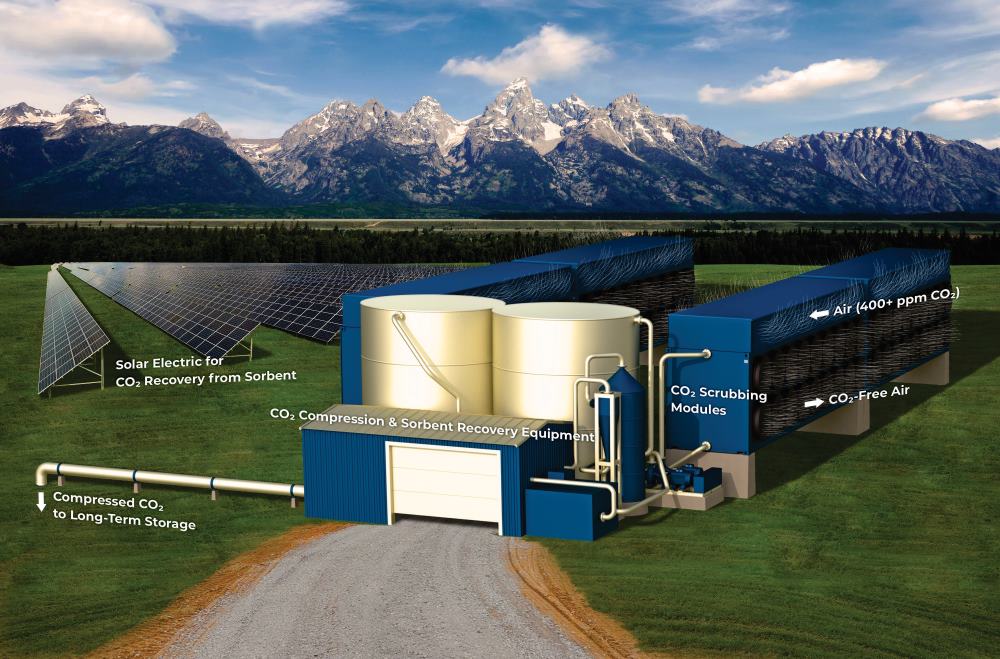
As the global community continues to combat the threat of climate change, carbon dioxide (CO2) capture has emerged as a vital strategy in reducing greenhouse gas emissions. By capturing CO2 emissions from power plants and industrial sources, we can mitigate the impact of these emissions on the environment. The development and implementation of effective carbon dioxide capture techniques are crucial for achieving sustainability goals and complying with international environmental standards.
What is Carbon Dioxide Capture?
Carbon dioxide capture involves trapping CO2 emissions at their source, preventing them from entering the atmosphere. This process is essential in reducing the concentration of CO2, a significant greenhouse gas, which contributes to global warming. Captured CO2 can either be stored underground or utilized in various industrial processes.
Why is CO2 Capture Important?
- Reduces the carbon footprint of power generation and industrial activities.
- Helps meet international climate targets and regulations.
- Facilitates the transition to a low-carbon economy.
- Enables the utilization of captured CO2 in enhanced oil recovery and other applications.
Techniques for Carbon Dioxide Capture
Post-Combustion Capture
This technique captures CO2 from flue gases emitted by power plants and industrial sources. It involves the use of chemical solvents to absorb CO2 from exhaust streams. The absorbed CO2 is then separated, purified, and stored. Post-combustion capture is widely used due to its adaptability to existing infrastructure.
Pre-Combustion Capture
In pre-combustion capture, fuel is gasified before combustion, producing a mixture of hydrogen and CO2. The CO2 is then separated from the hydrogen, which can be used as a clean fuel. This method is particularly effective in integrated gasification combined cycle (IGCC) power plants.
Oxy-Fuel Combustion
Oxy-fuel combustion involves burning fuel in a mixture of oxygen and recycled flue gases, resulting in a flue gas primarily composed of CO2 and water vapor. The water vapor is easily condensed, leaving a concentrated stream of CO2 that can be captured and stored.
Challenges and Developments
Despite the potential benefits, carbon dioxide capture techniques face several challenges. High costs, energy requirements, and the need for technological advancements are significant barriers. Continuous research and development are crucial to enhance the efficiency and cost-effectiveness of these technologies.
Innovations in materials, such as advanced solvents and sorbents, are being explored to improve capture efficiency. Additionally, developing policies and financial incentives can drive the widespread adoption of carbon capture technologies.
Conclusion
Carbon dioxide capture is an essential component of the global strategy to mitigate climate change. By implementing effective capture techniques, industries can significantly reduce their carbon emissions and contribute to a sustainable future. As the technology evolves, it will play a crucial role in achieving environmental targets and fostering a cleaner, greener planet.