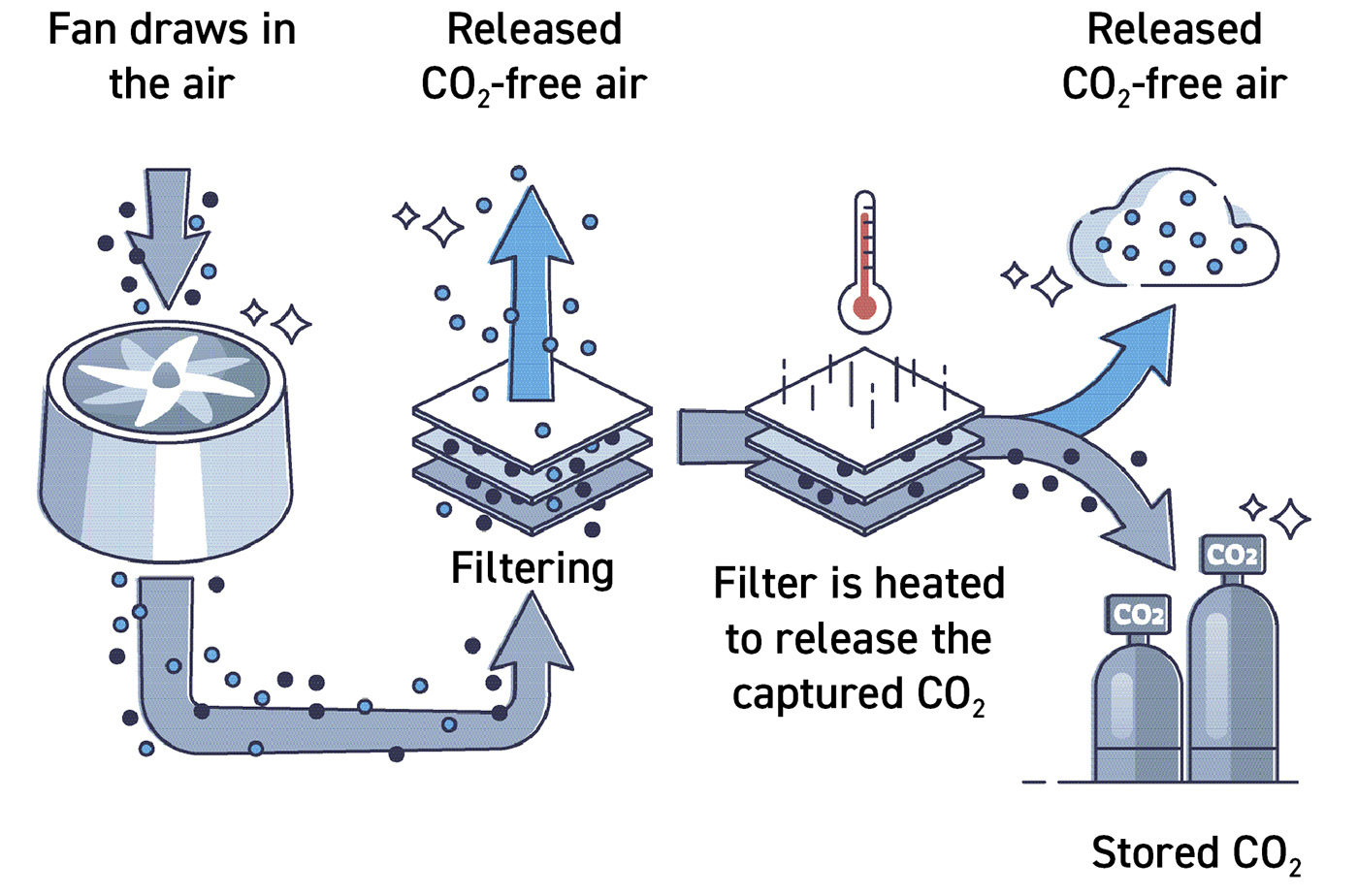
The global demand for cleaner energy has never been greater, and the urgency to combat climate change is pushing the boundaries of innovation in the field of carbon capture technology. As industries look towards sustainable solutions to reduce their carbon footprint, advancements in carbon capture efficiency are becoming increasingly vital. These innovations not only promise to enhance the efficacy of capturing carbon emissions but also aim to make the technology more accessible and economically viable.
Advancements in Carbon Capture Technologies
Recent developments in carbon capture technologies have shown remarkable promise in improving efficiency and reducing costs. The integration of cutting-edge materials and processes is at the forefront of these advancements. Innovations such as advanced sorbents, novel chemical solvents, and next-generation membranes are pushing the envelope of what is possible.
Advanced Sorbents
Sorbents play a crucial role in enhancing carbon capture efficiency. These materials are designed to selectively absorb carbon dioxide from emissions. Recent breakthroughs include:
- Development of metal-organic frameworks (MOFs) that offer high surface areas and tunable pores.
- Implementation of bio-based sorbents that are environmentally friendly and sustainable.
- Introduction of hybrid sorbents combining the benefits of various materials for improved performance.
Novel Chemical Solvents
Chemical solvents are integral to the carbon capture process, particularly in post-combustion capture. Innovations in this area include:
- Low-energy solvents that reduce the energy penalty associated with regeneration.
- Development of solvents with higher CO2 absorption capacity.
- Use of ionic liquids that offer stability and recyclability benefits.
Breakthroughs in Carbon Capture Processes
Beyond materials, process innovations are equally crucial. Breakthroughs in these processes are enhancing the overall efficiency and feasibility of carbon capture systems.
Membrane Technology
Membrane technology is emerging as a game-changer in the carbon capture arena. Key developments include:
- High-performance polymer membranes that offer selective permeability and durability.
- Mixed matrix membranes (MMMs) that incorporate inorganic fillers for better separation efficiency.
- Advanced fabrication techniques that reduce costs and improve scalability.
Integration with Renewable Energy
Integrating carbon capture systems with renewable energy sources is increasingly seen as a strategic approach to enhance sustainability. This integration offers:
- Reduction in the carbon intensity of renewable energy systems.
- Opportunities for utilizing captured carbon in creating synthetic fuels.
- Potential for decentralized carbon capture facilities linked with renewable energy generation.
The Economic Implications of Enhanced Carbon Capture
Improving the efficiency of carbon capture processes not only impacts environmental outcomes but also holds significant economic implications. By reducing the costs associated with carbon capture, industries can more feasibly integrate these technologies into their operations.
- Lower operational costs leading to broader adoption across various sectors.
- Creation of new markets for carbon-based products, such as chemicals and fuels.
- Enhancements in policy frameworks encouraging carbon capture investments.
To delve deeper into how these advancements are shaping the future of carbon capture, exploring comprehensive resources and expert insights is essential. As the field continues to evolve, staying informed through reliable sources will be key to leveraging these technologies effectively.
Conclusion
The future of carbon capture efficiency is bright, with innovations and breakthroughs poised to transform how industries address their carbon emissions. As new technologies and processes emerge, the potential for achieving significant reductions in global carbon emissions becomes increasingly attainable. Staying abreast of these developments and understanding their implications will be crucial for stakeholders across the energy and environmental sectors.