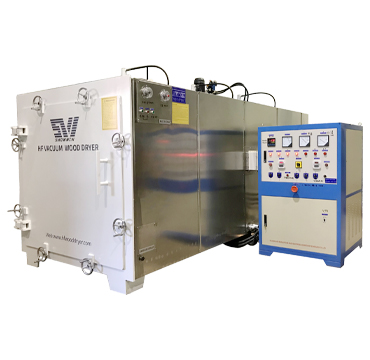
In the woodworking industry, the process of drying wood is crucial for ensuring the quality and durability of the final products. Wood drying equipment plays a vital role in this process, helping to reduce moisture content to optimal levels. This, in turn, prevents defects such as warping, splitting, and discoloration, which can compromise the structural integrity and aesthetic appeal of wood products. Understanding the various types of drying equipment and their functionalities can significantly enhance the efficiency and quality of woodworking operations.
Types of Wood Drying Equipment
Wood drying equipment comes in various forms, each designed to meet specific requirements and scales of operation. Here are the primary types:
Conventional Kilns
- Overview: Traditional, widely used, and efficient for large-scale operations.
- Mechanism: Uses controlled heat, humidity, and airflow to dry wood.
- Advantages: Consistent results, suitable for most wood types.
Dehumidification Kilns
- Overview: Energy-efficient option, using a heat pump to remove moisture.
- Mechanism: Circulates warm air and dehumidifies it to draw moisture out of the wood.
- Advantages: Lower operational costs, environmental benefits.
Solar Kilns
- Overview: Eco-friendly solution, utilizing solar energy.
- Mechanism: Captures solar heat, circulates warm air through wood stacks.
- Advantages: Sustainable, cost-effective in sunny regions.
Vacuum Kilns
- Overview: Advanced technology for high-speed drying.
- Mechanism: Reduces atmospheric pressure to lower boiling point of water, speeding evaporation.
- Advantages: Rapid drying time, preserves wood quality.
Factors to Consider When Choosing Wood Drying Equipment
Selecting the right wood drying equipment is critical for achieving optimal results. Consider the following factors:
- Volume of Production: The scale of operations will determine the type and size of equipment needed.
- Wood Species: Different wood types have varying drying requirements; choose equipment that caters to these needs.
- Budget: Assess both initial investment and long-term operational costs.
- Energy Efficiency: Opt for equipment that minimizes energy consumption to reduce costs and environmental impact.
- Space Availability: Ensure that the selected equipment fits within the available space while allowing for efficient workflow.
Maintaining Wood Drying Equipment
Proper maintenance is essential to ensure the longevity and efficiency of wood drying equipment. Here are some best practices:
- Regular Cleaning: Remove dust and debris to prevent clogging and ensure smooth operation.
- Inspection and Calibration: Conduct routine checks and calibrate sensors and controls for accurate performance.
- Lubrication: Apply lubricants to moving parts to reduce friction and wear.
- Repairs: Address any issues promptly to prevent further damage and costly downtime.
Conclusion
Investing in the right wood drying equipment can significantly enhance the quality, efficiency, and profitability of woodworking operations. By understanding the different types of equipment available, considering key factors for selection, and maintaining them properly, businesses can ensure a consistent supply of high-quality dried wood products. For more detailed information on accessories and equipment, exploring additional resources and industry guidance can be beneficial.